






Toggle menu
Get CoverageRequest Call Back

Water Treatment Plant Security Services in New Jersey

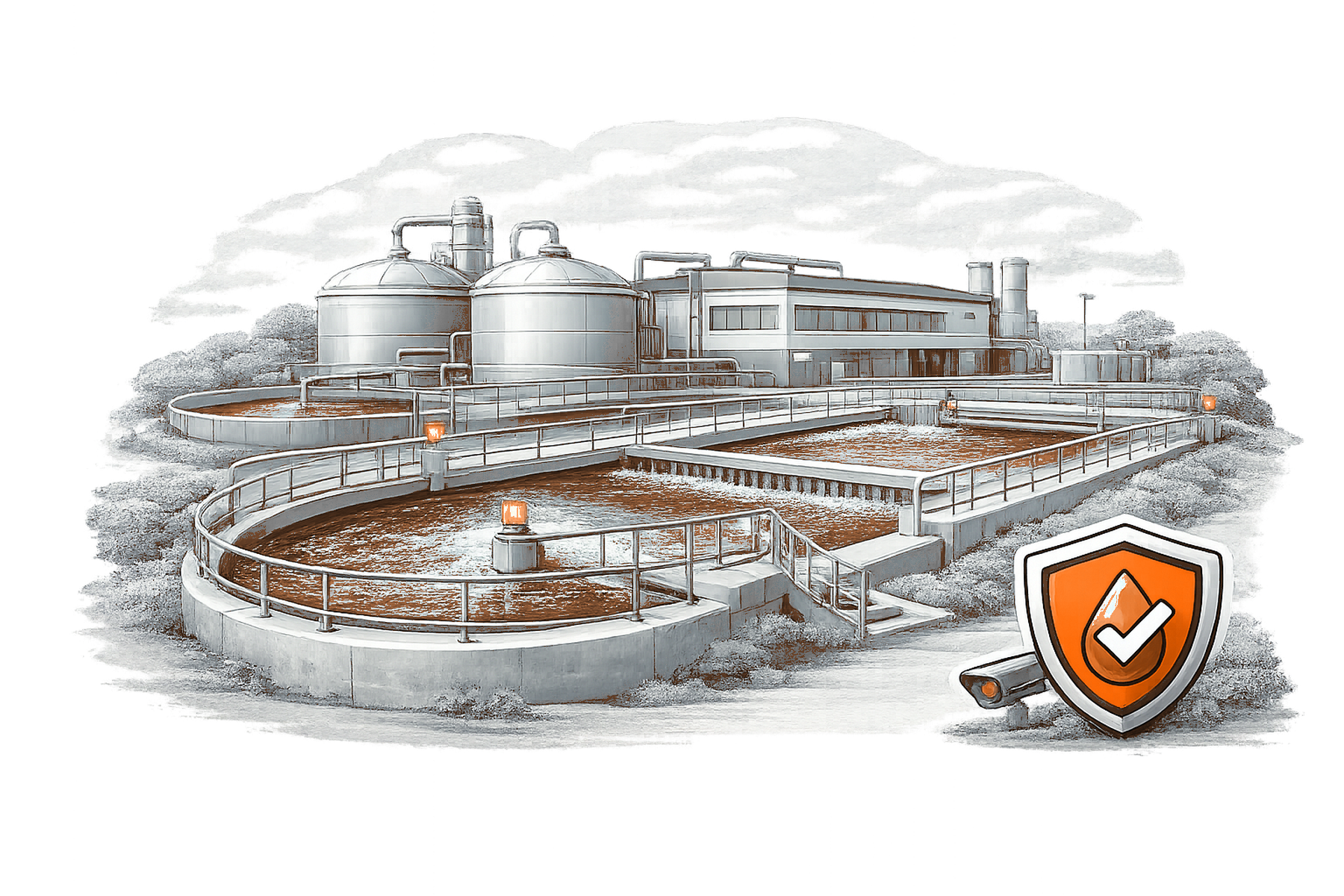
Water treatment plants protect essential public infrastructure while receiving employees, contractors, vendors, deliveries, and maintenance crews at different hours. GuardEX Security Services supports controlled access, approved exterior patrols, reporting, and escalation under the utility's procedures.

GuardEX at a Glance

10+ Years

Providing professional security solutionsacross New Jersey for over a decade.

TOP RATED

Five-star feedback on review sitesincluding Google and Yelp.

Locally Embedded

Our ownership and management live here.We protect the communities we call home.

overview

Physical Security for Water Treatment Facilities

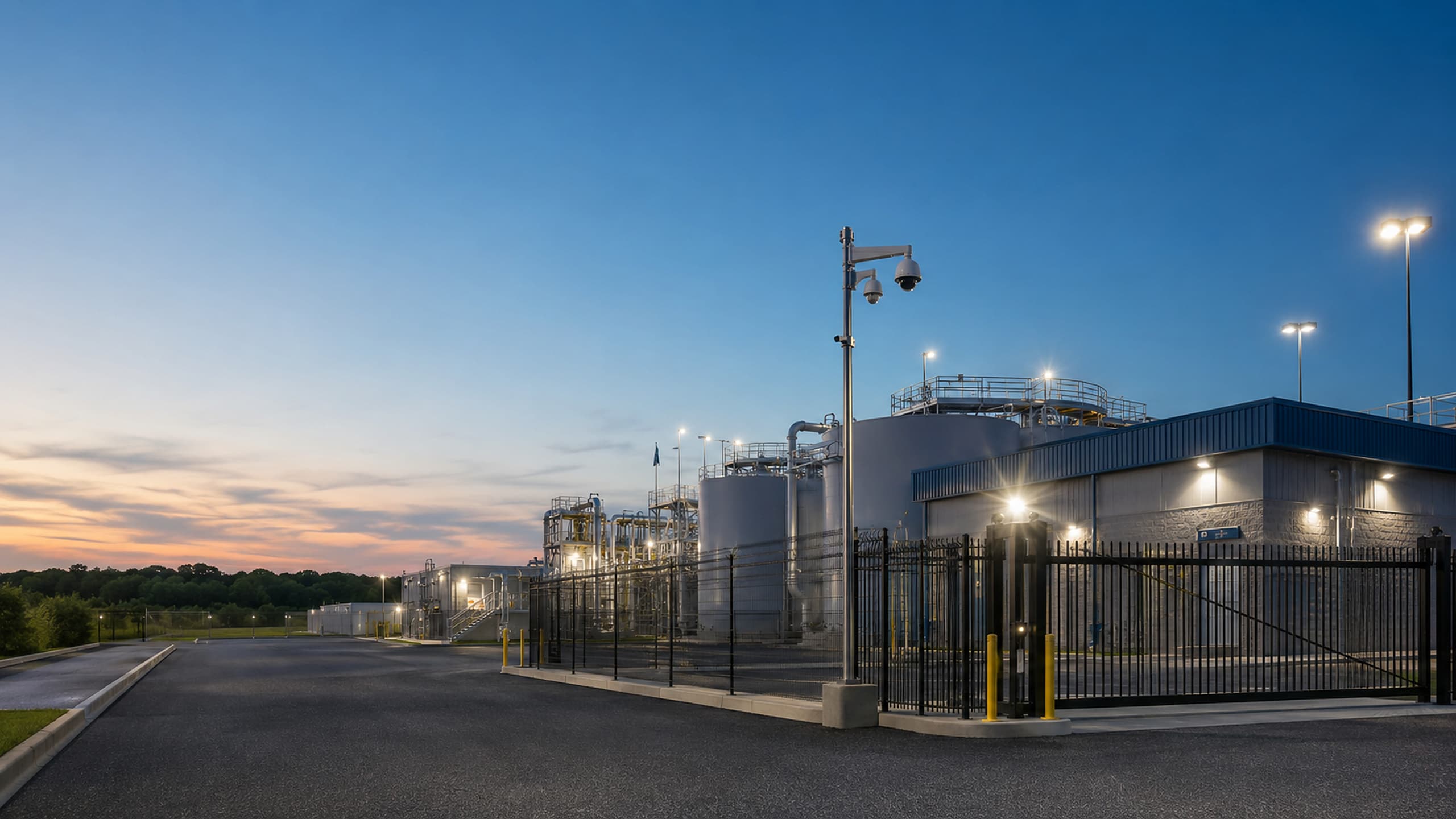
A water treatment property may include a main gate, administration and process buildings, storage or reservoir approaches, service roads, chemical-delivery areas, exterior doors, and remote utility structures.

GuardEX works with utility management to define the staffed entrance or patrol plan, approved access process, safe checkpoints, camera and alarm duties, report requirements, and contacts for expected and unexpected activity.

Officers can support client-directed access, observe approved exterior areas, document visible conditions, and escalate concerns. Water treatment, quality testing, chemical handling, plant control, equipment maintenance, engineering, and environmental decisions remain with qualified utility personnel.

Build a Clear Security Plan for the Water Treatment Facility

Tell us which gate, building exterior, service road, or remote utility area needs coverage and when contractors or deliveries arrive. GuardEX will put the access, patrol, reporting, and notification duties into clear post orders.

services

Water Treatment Plant Security Services

A plant may need a fixed gate during active hours, patrols during closed periods, or Remote Security at remote exterior points. Access control and CCTV can support the plan when they are tied to clear utility procedures.

Unarmed Security GuardsUnarmed officers can staff an approved entrance, follow employee and contractor access procedures, patrol permitted exterior areas, document activity, and use the utility's notification plan.Learn MoreArmed Security GuardsWhere a documented risk assessment supports it, armed coverage may be considered for a higher-risk water-utility post. The authority, safe post location, duties, and escalation procedures are defined before staffing.Learn MoreMobile Security PatrolsScheduled or randomized patrols can check the main gate, service entrance, building exteriors, parking, fencing, service roads, and approved storage or reservoir approaches.Learn MoreRemote SecurityOff-site video monitoring can watch authorized gates, service entrances, building exteriors, fence lines, and approved storage or reservoir approaches. Configured AI detection can support alerts, but each event follows a written verification and utility notification procedure.Learn MoreAccess Control SystemsAccess control can organize credentials and entry procedures for employees, contractors, vendors, inspectors, and deliveries. Officers follow the utility's authorization process rather than approving technical access independently.Learn MoreVideo Security SystemsOn-site CCTV can record gates, service entrances, building exteriors, parking, fencing, and approved utility approaches for local viewing and incident review. Optional AI detection can support alerting; Remote Security remains separate.Learn More

Challenges and Solutions for Water Treatment Plant Security

Water treatment plants combine critical public infrastructure, restricted process areas, contractors, deliveries, outdoor equipment, and acreage that may be remote or lightly staffed. Unauthorized entry, theft, vandalism, or an unnoticed perimeter breach can create operational and public-safety concerns.

Water Treatment Plant Security Challenges

Water treatment facilities may face unauthorized gate entry, trespassing near restricted areas, remote perimeter breaches, unverified contractors, equipment theft, and after-hours alarms or unusual activity.

  • Unauthorized people or vehicles at facility gatesUnknown drivers, visitors, and service personnel may attempt entry without current authorization, a verified contact, or a legitimate operational purpose.
  • Trespassing near restricted operational areasOpen grounds or unsecured doors can expose treatment buildings, control spaces, chemical areas, tanks, and other locations not intended for public access.
  • Remote fence, gate, or perimeter breachesLarge properties may include isolated fence lines, service roads, and secondary gates that receive little natural observation.
  • Unverified contractors and deliveriesMaintenance crews, specialty vendors, and material deliveries may arrive outside normal schedules or request access to unfamiliar areas.
  • Theft or vandalism of tools and equipmentCopper, fuel, tools, vehicles, portable equipment, and outdoor materials can be targeted during nights, weekends, or maintenance shutdowns.
  • After-hours alarms or unusual site activityAn alarm, open door, unknown vehicle, or unexpected person may go unverified when operational staffing is limited.
How GuardEX Addresses Them

GuardEX supports staffed access verification, restricted-area patrols, perimeter checkpoints, contractor and delivery controls, asset-area rounds, and documented alarm or incident escalation.

  • Staffed gate access verificationSecurity confirms identification, company, purpose, vehicle information, destination, and facility approval before allowing entry through the assigned gate.
  • Restricted-area patrols and access enforcementOfficers patrol approved routes, challenge unauthorized presence from a safe position, maintain restricted boundaries, and notify plant management or police as required.
  • Perimeter checkpoint inspectionsScheduled and irregular patrols inspect accessible fence lines, gates, locks, lighting, and service-road approaches, documenting damage or signs of entry.
  • Contractor, vehicle, and delivery verificationSecurity confirms the work order or appointment, site contact, driver and vehicle information, approved entrance, and destination before routing the arrival.
  • Asset-area patrols and condition reportingFocused rounds cover assigned storage, vehicle, equipment, and utility areas, with missing items, damage, open enclosures, or suspicious activity reported.
  • Alarm response and incident escalationUnder site procedures, security checks the assigned area from a safe position, preserves boundaries, documents observations, and contacts plant leadership or emergency services.
The GuardEX Planning Model

How GuardEX Builds a Security Plan That Works

Every service plan starts with the property, the daily routine, the people who use the site, and the response expected when something changes.

01

Understand the site

Identify access points, active hours, recurring concerns, patrol priorities, and the contacts officers may need.

02

Prepare the Officer

Brief officers on the post orders, access procedures, patrol route, communication standards, and reporting requirements.

03

Document the work

Use daily activity reports, incident reports, and guard-tour records to document the shift and identify follow-up.

04

Supervise and Support

Provide field supervision, prepare trained relief officers, and adjust the service when the property's needs change.

The result is a plan that officers can follow, supervisors can support, and management can evaluate through actual reports and patrol records.That's the GuardEX difference.

GuardEX In Action

Water Plant Coverage Beyond the Main Gate

Client Profile

A client operating a water-treatment plant.

Security Challenge

A water treatment plant can appear quiet from the outside while critical work continues inside. GuardEX helps control who enters the property, checks remote exterior areas, and gives plant leadership a documented picture of after-hours conditions.

GuardEX Implementation Model

Water plant coverage begins with the parts of the property that may receive less attention when staffing is light: the controlled gate, remote exterior buildings, perimeter sections, and contractor access outside the normal schedule. GuardEX turns those areas into a documented security route with clear limits and contacts. Plant leadership gains a clearer record of exterior conditions without placing security officers inside treatment operations.

Key Actions

  • Confirm who may enter after hours and who can approve an exception.
  • Keep patrols on designated exterior routes and outside treatment and chemical areas.
  • Document gate conditions, damaged barriers, alarms, and unusual activity in a consistent report.
  • Escalate security concerns through the utility’s designated contact and emergency procedure.

Client Goal / Benefit

Keep critical drinking-water infrastructure secure when the site is lightly staffed or contractors are working outside normal hours.

Popular regions

Water Treatment Plant Security Coverage Across New Jersey

GuardEX Security Services supports water treatment plants and related utility properties across New Jersey with gate officers, approved exterior patrols, Remote Security, access control, and CCTV. The security role remains separate from water treatment, quality, engineering, and maintenance operations.

Questions answered

FAQs

What does a security officer typically do at a water treatment plant?
The role may include staffing an approved entrance, following employee, contractor, vendor, inspector, or delivery procedures, patrolling safe exterior areas, documenting activity, and notifying utility contacts. The client defines the exact post and prohibited zones.
Can coverage be scheduled around contractor work or deliveries?
Yes. Staffing and patrols can follow routine shifts, scheduled contractor projects, deliveries, maintenance periods, nights, or weekends. The expected arrivals, safe patrol route, prohibited areas, and contact list should be documented first.
Can water treatment plant security use Remote Security and on-site CCTV?
Yes. Remote Security can monitor authorized gates, service entrances, building exteriors, and approved storage or reservoir approaches from off-site, while on-site CCTV records and displays video locally. Both require written alert, verification, utility notification, and response procedures.
Do security officers test water or operate treatment equipment?
No. Officers support client-directed access, approved exterior patrols, observation, reporting, and escalation. Water testing, chemical handling, treatment operations, plant control, engineering, maintenance, and environmental decisions remain with qualified utility personnel.
View All FAQs

Resources & news

Recent Security Articles

SMALL BUSINESS SECURITY

Security Guard Services for Small Businesses in Englewood Cliffs, NJ

Practical security considerations for small businesses in Englewood Cliffs, including access, visibility, reporting, and after-hours coverage.

Read More
SECURITY TIPS

5 Things You Can Do to Secure Your Business's Perimeter

Five practical ways to strengthen gates, fencing, lighting, access points, and exterior visibility around a commercial property.

Read More
Get CoverageRequest Call Back