







Toggle menu
Get CoverageRequest Call Back

Event Security Services in New Jersey

An event moves through setup, guest arrival, active programming, departure, and closeout—often in a single day. GuardEX Security Services plans posts, credential procedures, patrols, reporting, and escalation for each phase.

GuardEX at a Glance

10+ Years

Providing professional security solutionsacross New Jersey for over a decade.

TOP RATED

Five-star feedback on review sitesincluding Google and Yelp.

Locally Embedded

Our ownership and management live here.We protect the communities we call home.

overview

Event Security from Setup Through Closeout

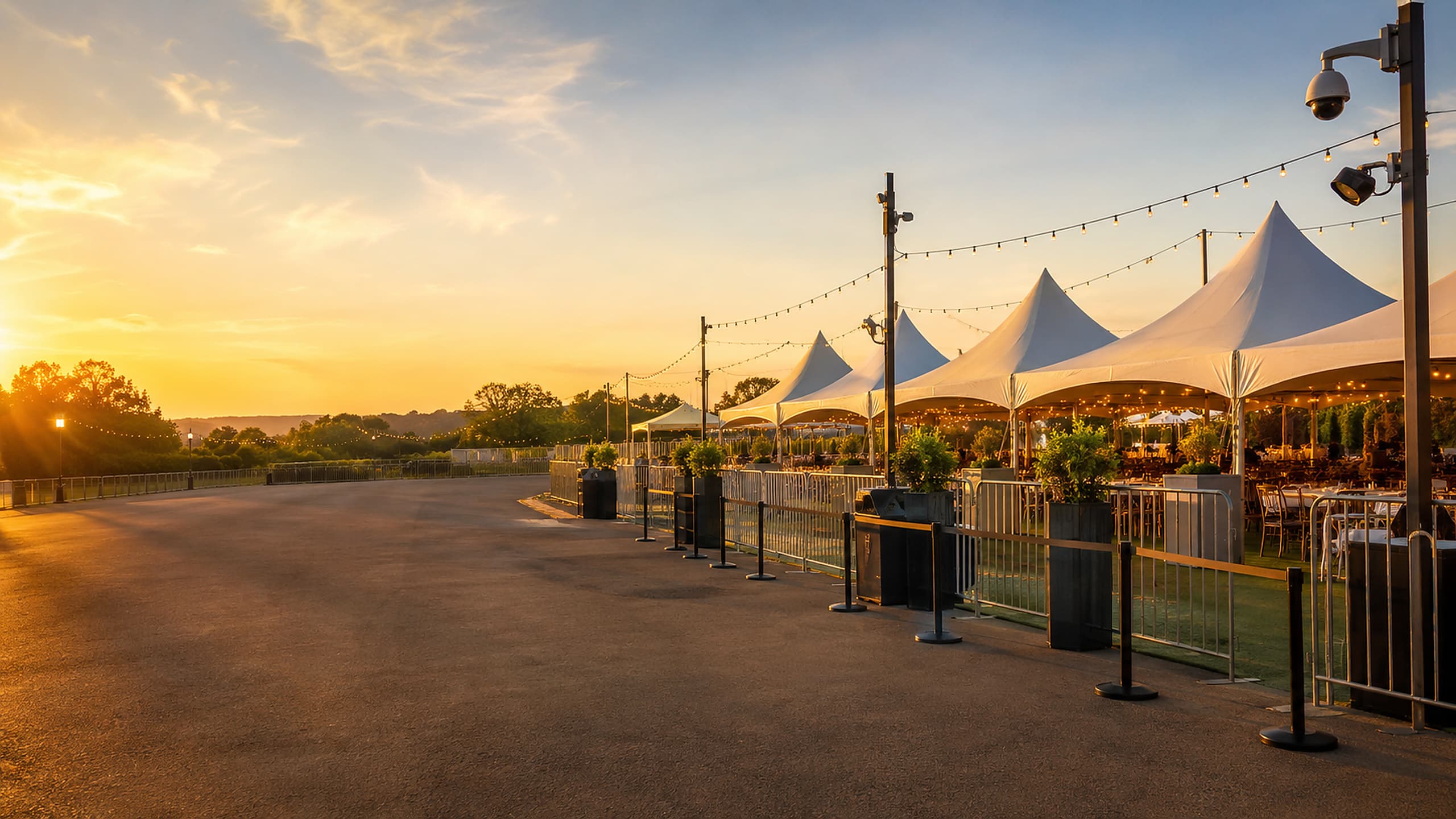
Private events, corporate gatherings, conferences, community programs, and similar functions can change quickly as vendors arrive, guests enter, restricted areas open, and the venue transitions toward departure and closeout.

GuardEX reviews the schedule, venue rules, guest and service entrances, credentials, vendor and performer arrivals, restricted areas, patrol zones, communications, reporting, relief, and emergency contacts with the client and venue.

Officers can support client-approved entry procedures, maintain a visible presence, protect assigned restricted areas, give basic direction, patrol designated zones, document activity, and escalate concerns. Ticketing, admission decisions, event management, emergency command, and public-safety authority remain with the client, venue, and authorized agencies.

Plan Event Security Before the Doors Open

Tell us where the event is being held, when each phase begins, which areas are restricted, and how your team wants concerns escalated. GuardEX will turn those details into clear post assignments and a coordinated coverage plan.

services

Security Services for Events in New Jersey

Depending on the venue and event, coverage may include entrance officers, restricted-area posts, roving patrols, Remote Security, access control, or CCTV. Each service should support the event plan and its phase-by-phase responsibilities.

Unarmed Security GuardsUnarmed event officers can support client-approved entry procedures, maintain a professional presence, protect assigned restricted areas, give basic direction, patrol designated zones, document activity, and escalate concerns.Learn MoreArmed Security GuardsArmed coverage may be considered only for a documented higher-risk assignment involving credible threats, sensitive areas, or another supported need. Authority, post location, coordination, and escalation are defined before the event.Learn MoreMobile Security PatrolsScheduled or event-timed patrols can check parking approaches, service entrances, loading areas, exterior paths, temporary perimeters, and other approved zones before, during, or after the event.Learn MoreRemote SecurityOff-site video monitoring can watch authorized views of entrances, service corridors, loading access, parking approaches, and restricted-area approaches. Configured AI detection may support alerts, but each event follows a written verification and response procedure.Learn MoreAccess Control SystemsAccess control can organize credentials or approved entry procedures for staff, vendors, performers or presenters, and restricted areas. Officers follow the client's lists and contact process rather than deciding admission on their own.Learn MoreVideo Security SystemsOn-site CCTV can record entrances, service corridors, loading access, parking approaches, and other authorized areas for local viewing and incident review. Optional AI detection may support alerts; Remote Security remains separate.Learn More

Challenges and Solutions for Event Security

Events bring large numbers of guests, vendors, staff, performers, and service teams into a limited space on a fixed schedule. Entry problems, crowd pressure, disruptive behavior, theft, and emergencies can escalate quickly when no one owns the response.

Event Security Challenges

Event risks change from setup through guest arrival, active programming, departure, and closeout.

  • Ticket and credential misuseCopied passes, shared wristbands, outdated lists, and unapproved guests can place unauthorized people inside the venue.
  • Lines and crowd bottlenecksCrowds can build at entrances, registration points, concessions, elevators, or exits, creating frustration and unsafe movement.
  • Disruptive or intoxicated guestsArguments, aggressive behavior, intoxication, and refusal to follow venue rules can disturb other guests and escalate into a safety issue.
  • Backstage and VIP intrusionGuests, media, vendors, or staff may enter dressing rooms, production areas, speaker spaces, or VIP sections without the required access.
  • Theft around vendors and guestsMerchandise, equipment, cash points, coats, bags, and personal property can be vulnerable in crowded or transitional areas.
  • Medical, fire, or weather emergenciesA medical event, fire alarm, severe weather condition, or evacuation can create confusion and separate guests from clear instructions.

How GuardEX Addresses Them

GuardEX assigns a direct security response to each phase, from entrance screening and crowd flow to restricted areas and emergency communication.

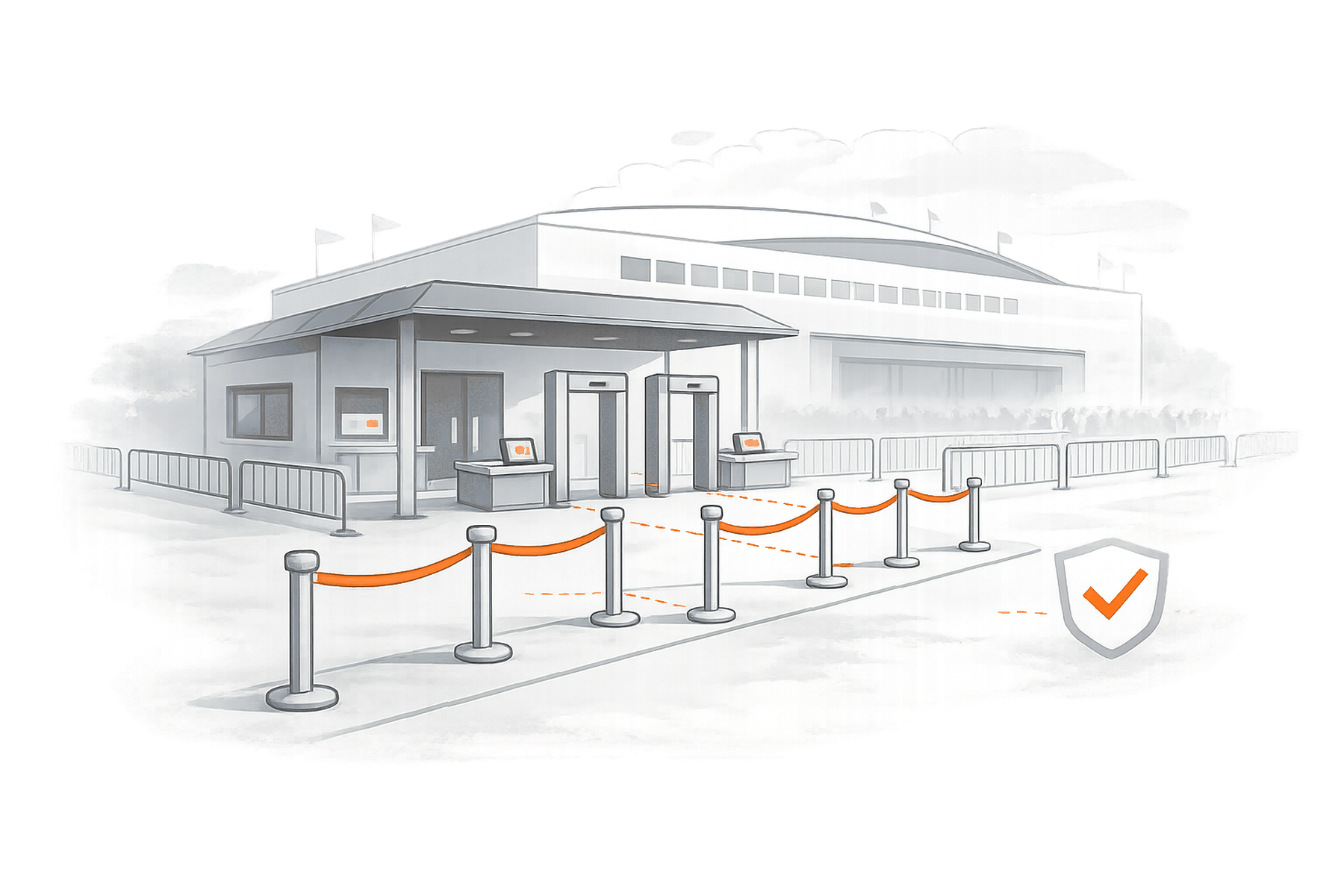
  • Controlled entry screeningGuards check tickets, credentials, guest lists, or client-approved identifiers at designated entrances and escalate exceptions to the event contact.
  • Queue and pedestrian managementSecurity directs guests to open lanes and approved routes, keeps access points clear, and alerts event management when crowd density needs operational changes.
  • Early intervention and escalationGuards address concerning behavior calmly, involve event or venue management, and request police or medical assistance when the situation requires it.
  • Restricted-area securityDedicated guards verify credentials at protected entrances and prevent unauthorized movement into backstage, production, performer, or VIP areas.
  • Roving event patrolsVisible patrols cover vendor areas, guest spaces, service corridors, loading approaches, and other agreed locations where theft or tampering is more likely.
  • Emergency communication supportGuards notify the proper responders, help keep emergency routes open, direct guests under the venue plan, and document critical actions and notifications.

About GuardEX

See How an Event Security Plan Comes Together

See how GuardEX turns the event schedule, venue layout, access rules, restricted areas, patrol priorities, reporting, and emergency contacts into instructions officers can use as the event changes.

Event Security

The GuardEX Planning Model

How GuardEX Builds an Event Security Plan

Event planning starts with the schedule, venue, guest flow, restricted areas, people involved, and the response expected when activity changes.

01

Understand the site

Identify each event phase, entrance, restricted area, patrol zone, recurring concern, and contact officers may need.

02

Prepare the Officer

Brief officers on the event schedule, post location, credential procedures, patrol zones, communication, reporting, and emergency instructions.

03

Document the work

Use post notes and incident reports to document material activity, actions taken, notifications, and follow-up.

04

Supervise and Support

Provide on-site or field supervision, prepare relief staff, and coordinate approved changes as the event moves from setup to closeout.

The result is a plan that can change with the event without leaving officers to guess about access, responsibilities, or escalation.That's the GuardEX difference.

GuardEX In Action

Security That Changes with Each Event Phase

Client Profile

A client planning a temporary event or program.

Security Challenge

Many events take place in spaces not used that way every day. A corporate function, festival, private gathering, or temporary program can introduce guests, vendors, restricted rooms, and service areas to a property with no standing event-security routine.

GuardEX Implementation Model

A temporary event may use a hotel, campus, private property, street, or rented venue that was not designed for the program. GuardEX translates the run of show into posts, access points, guest and vendor procedures, and a closeout contact for that specific footprint. The plan is built for the event rather than inherited from a permanent venue.

Key Actions

  • Set early posts for vendors, crew, deliveries, and restricted setup areas before guest entry begins.
  • Move guest-facing officers into position before doors open and define credentials or re-entry procedures.
  • Adjust patrol and restricted-area coverage during the program, intermission, or schedule change.
  • Reposition for departure, final vendor access, equipment pickup, load-out, and the last client handoff.

Client Goal / Benefit

Give guests a smooth event while the security plan stays ready behind the scenes.

Popular regions

Event Security Coverage Across New Jersey

GuardEX Security Services provides event security across New Jersey for private events, corporate gatherings, conferences, community programs, and other planned functions. Coverage may include entrance officers, restricted-area posts, patrols, Remote Security, access control, or CCTV.

Questions answered

FAQs

What do event security officers typically do?
Officers may support client-approved entry procedures, staff assigned posts, protect restricted areas, direct guests to the proper location, patrol designated zones, document incidents, and contact event management or emergency services according to the plan.
When should event security planning begin?
Planning should begin as soon as the venue, schedule, expected attendance, entrances, restricted areas, vendor activity, and key contacts are known. More complex events usually benefit from additional lead time.
Can event security combine on-site officers with Remote Security and CCTV?
Yes. Remote Security provides off-site monitoring of authorized camera views, while on-site CCTV records and displays video at the venue. Both services need clear alert, verification, notification, retention, and response procedures.
Do security officers make ticketing, admission, event-management, or emergency-command decisions?
No. Officers follow the client's approved procedures and remain within the assigned security role. Ticketing, admission decisions, event management, emergency command, and public-safety authority remain with the appropriate client, venue, or agency personnel.
View All FAQs

Resources & news

Recent Security Articles

SMALL BUSINESS SECURITY

Security Guard Services for Small Businesses in Englewood Cliffs, NJ

Practical security considerations for small businesses in Englewood Cliffs, including access, visibility, reporting, and after-hours coverage.

Read More
SECURITY TIPS

5 Things You Can Do to Secure Your Business's Perimeter

Five practical ways to strengthen gates, fencing, lighting, access points, and exterior visibility around a commercial property.

Read More
Get CoverageRequest Call Back