








Fire Watch Security Challenges
These conditions create a real fire-safety gap until the affected system or hazard is cleared by the authorized party.
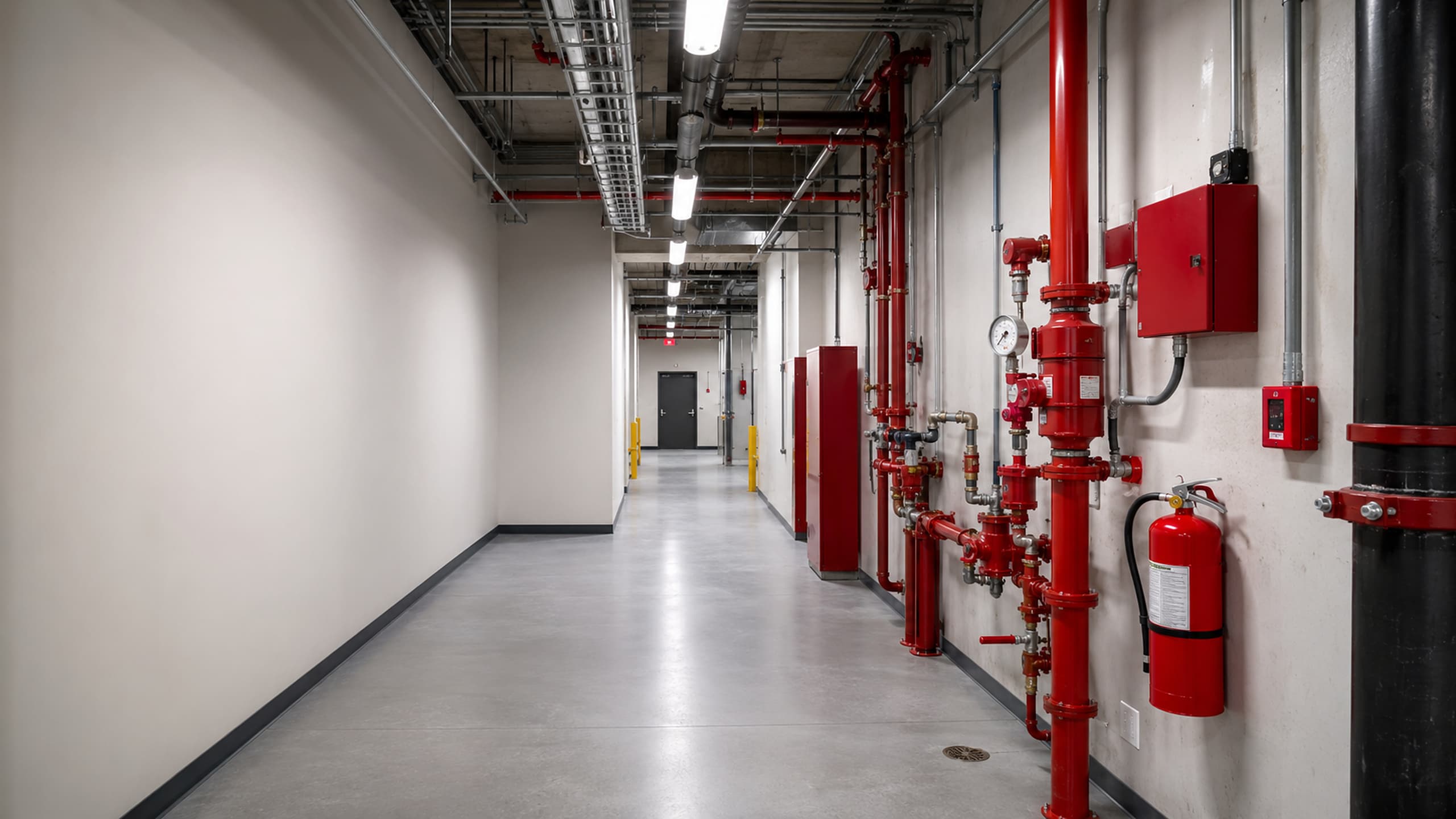
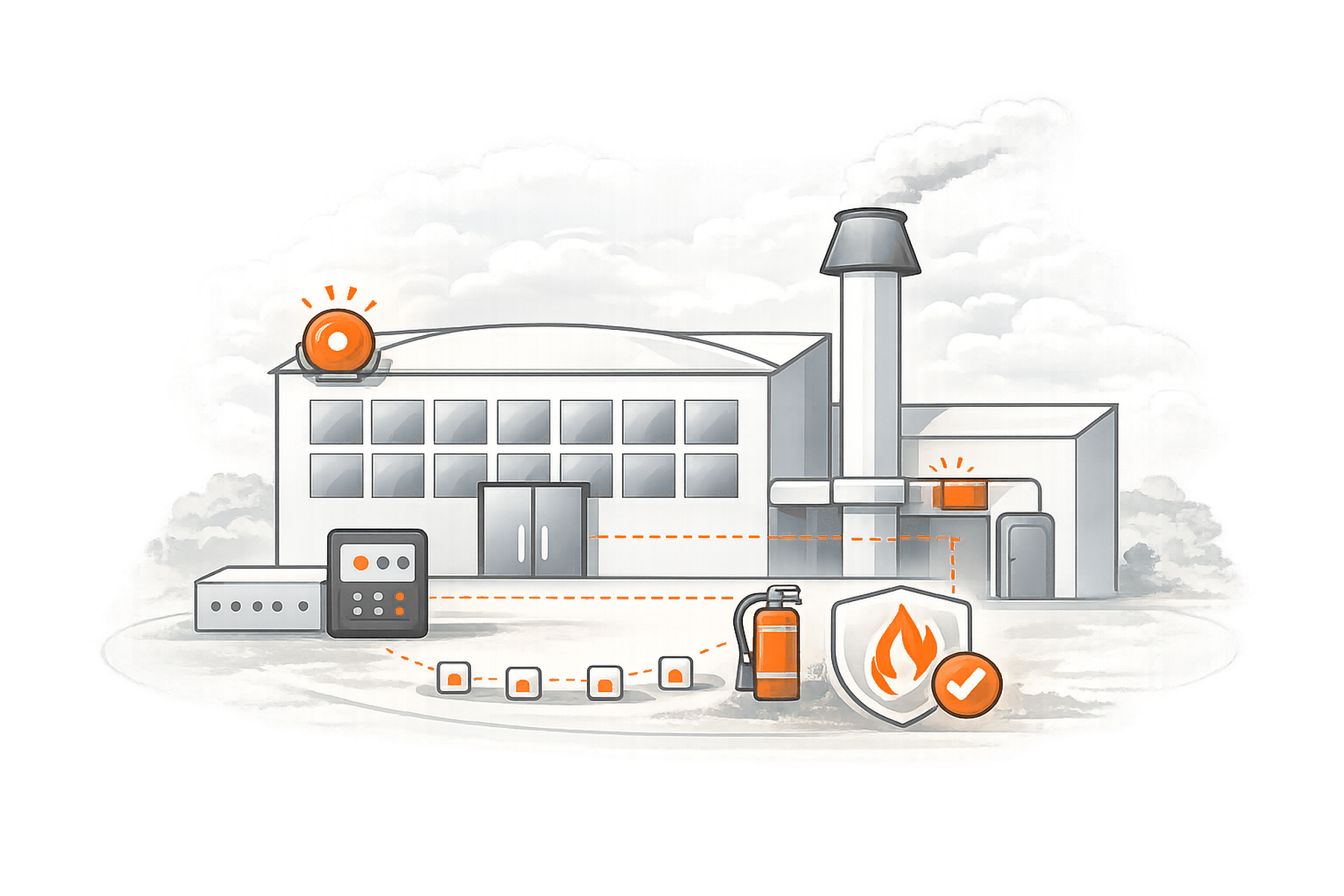
- Disabled fire protection systemsAn alarm, sprinkler, standpipe, or related system outage can allow smoke or fire to grow without automatic detection or notification.
- Hot work and residual ignitionWelding, cutting, grinding, roofing, or other heat-producing work can leave sparks, hot surfaces, or smoldering material after work stops.
- Blocked exits and fire doorsStored materials, construction activity, or propped doors can slow evacuation and allow smoke or fire to spread between areas.
- Combustible materials and temporary hazardsDebris, packaging, temporary heaters, extension cords, and stored chemicals can increase the likelihood or severity of a fire.
- Overnight and unoccupied areasQuiet floors, mechanical spaces, construction zones, and vacant sections may have no occupants nearby to notice smoke, heat, or unusual odors.
- Delayed emergency notificationWithout normal automatic protection, even a small fire can become more serious if emergency services and occupants are not alerted immediately.