



Toggle menu
Get CoverageRequest Call Back

Transfer Station Security Services in New Jersey

Transfer stations depend on fast truck turnover, clear access, active unloading areas, container or trailer staging, and a controlled close at the end of the day. GuardEX Security Services plans the gate post, safe patrols, records, and response steps around that flow.

GuardEX at a Glance

10+ Years

Providing professional security solutionsacross New Jersey for over a decade.

TOP RATED

Five-star feedback on review sitesincluding Google and Yelp.

Locally Embedded

Our ownership and management live here.We protect the communities we call home.

overview

Transfer Station Security for High-Volume Truck Activity

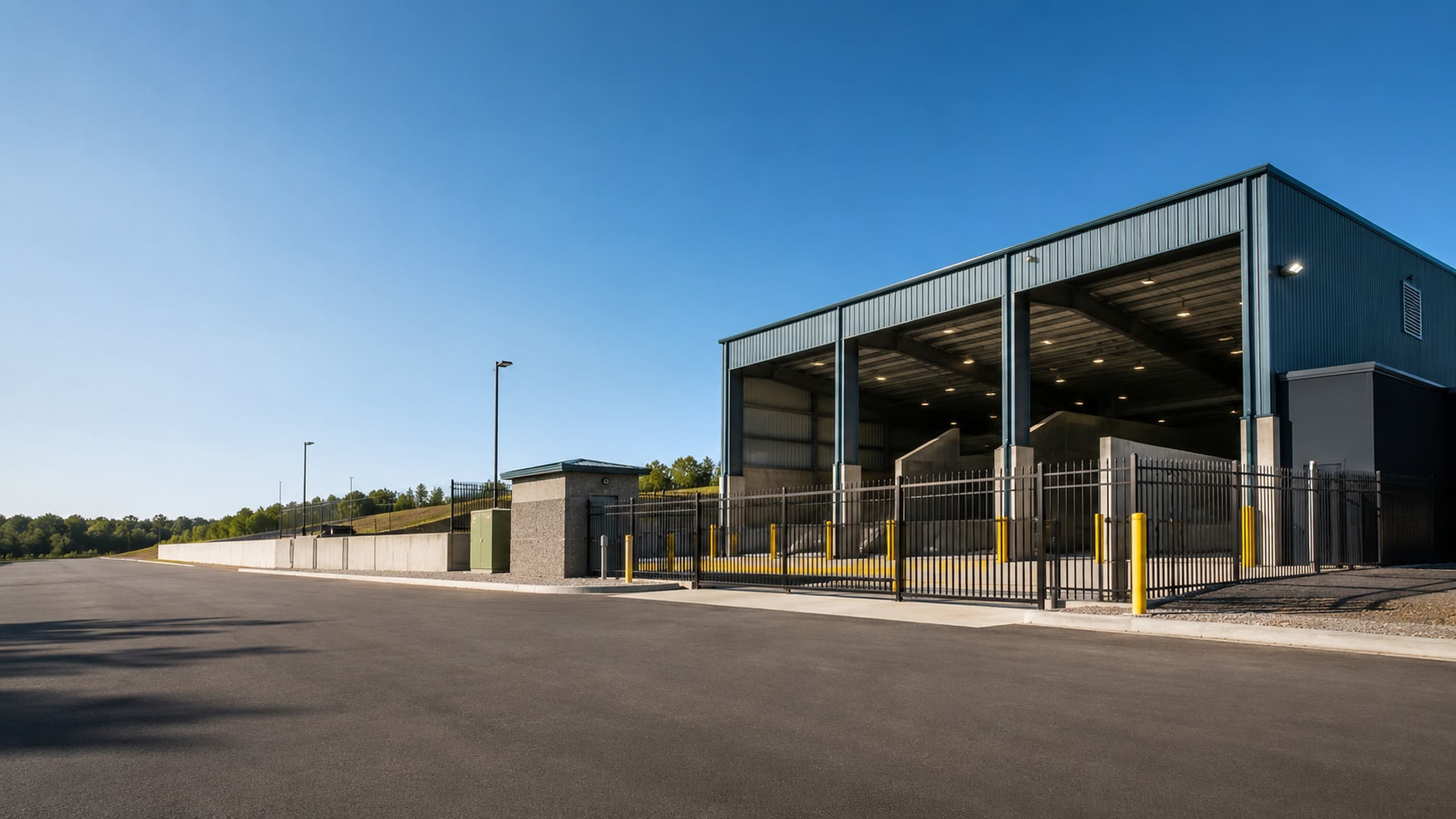
A transfer station can move from an early-morning queue to a busy tipping cycle and then to a quieter yard after closing. Security duties should support the entrance and exterior visibility without crossing into waste-handling or station operations.

GuardEX reviews the truck entrance, scale-house or gate role, employee and contractor access, hauler procedures, waiting and staging areas, access roads, container and trailer locations, restricted tipping-floor boundaries, safe patrol routes, reporting needs, and management contacts.

Officers can follow access procedures, maintain gate records, patrol approved exterior areas, document visible conditions, and report exceptions. Waste inspection or acceptance, scale operation, traffic control inside active unloading areas, material handling, equipment operation, and environmental decisions remain with facility personnel.

Plan Security Around Hauler Traffic and Closing

Tell us when haulers arrive, how the gate or scale-house process works, which exterior areas remain active after closing, and what management wants documented. GuardEX will define the post, patrol route, reports, and response contacts.

services

Security Services for Transfer Stations

Some transfer stations need a staffed entrance during operating hours and exterior checks after closing. Others may combine guards with mobile patrols, Remote Security, access control, or CCTV for selected roads, staging areas, and perimeter approaches.

Unarmed Security GuardsUnarmed officers can support the entrance or scale-house area, follow approved hauler and contractor procedures, patrol safe exterior areas, maintain records, document unusual conditions, and contact station management when an exception requires a decision.Learn MoreArmed Security GuardsArmed coverage may be considered for documented threats, repeated intrusion, critical equipment, or another clearly defined risk. The post, authority, patrol limits, and escalation procedure are established before staffing.Learn MoreMobile Security PatrolsScheduled or randomized visits can check gate approaches, queue lanes, access roads, container and trailer areas, exterior doors, parking, and perimeter points after closing. Each visit follows named checkpoints and a written report standard.Learn MoreRemote SecurityOff-site video monitoring can watch authorized views of entrances, queue lanes, access roads, staged containers or trailers, exterior doors, and perimeter approaches. Configured AI detection can support alerting, but each alert follows a documented verification, notification, and response procedure.Learn MoreAccess Control SystemsAccess control can organize employee and contractor credentials and entry permissions for restricted buildings or exterior areas. Hauler, load, scale, unloading, routing, and waste-acceptance decisions remain with authorized facility personnel.Learn MoreVideo Security SystemsOn-site CCTV can record entrances, queue lanes, access roads, staged containers or trailers, exterior doors, and perimeter approaches for local viewing and incident review. Camera placement, retention, and optional AI detection are scoped to the facility; Remote Security remains separate.Learn More

Challenges and Solutions for Transfer Station Security

Transfer stations move large volumes of public and commercial vehicles through tight entrances and active loading areas. Peak queues, mixed users, staged containers, exterior equipment, and closed-hour access create security problems that are different from the facility's waste-handling operations.

Transfer Station Security Challenges

Transfer stations may face unverified arrivals, gate bypass during peak queues, public drop-off disputes, exposed containers and equipment, unsecured doors or service approaches at closing, and misdirected trucks entering restricted operational areas.

  • Unverified haulers, contractors, or visitorsCommercial drivers, municipal vehicles, service technicians, vendors, and visitors may arrive without a confirmed schedule, account, or facility contact.
  • Peak queues and gate bypassHeavy traffic can produce line cutting, blocked entrances, unsafe waiting, or vehicles following another truck through before verification.
  • Public drop-off disputes and aggressive behaviorResidents or customers may become confrontational over hours, access, waiting, rejected loads, fees, or instructions provided by facility staff.
  • Container, trailer, fuel, and equipment exposureStaged containers, transfer trailers, parked equipment, fuel, and service areas may be vulnerable when processing slows or the facility closes.
  • Unsecured gates, doors, or service approachesBusy closing periods can leave secondary gates, exterior doors, or service roads open after staff and haulers depart.
  • Misdirected trucks near restricted operationsDrivers can enter the wrong lane or move toward tipping floors, compactors, loaders, or other restricted areas without proper direction.
How GuardEX Addresses Them

GuardEX addresses these risks with arrival verification, controlled gate sequencing, visible public-facing coverage, exterior asset patrols, end-of-day closure checks, and routing to approved lanes or holding points.

  • Arrival and credential verificationSecurity confirms client-specified driver, company, vehicle, purpose, and destination before directing cleared arrivals to the approved check-in point.
  • Controlled queue and gate sequencingOfficers maintain the approved queue pattern, release one cleared vehicle at a time, and promptly report unsafe congestion or bypass attempts.
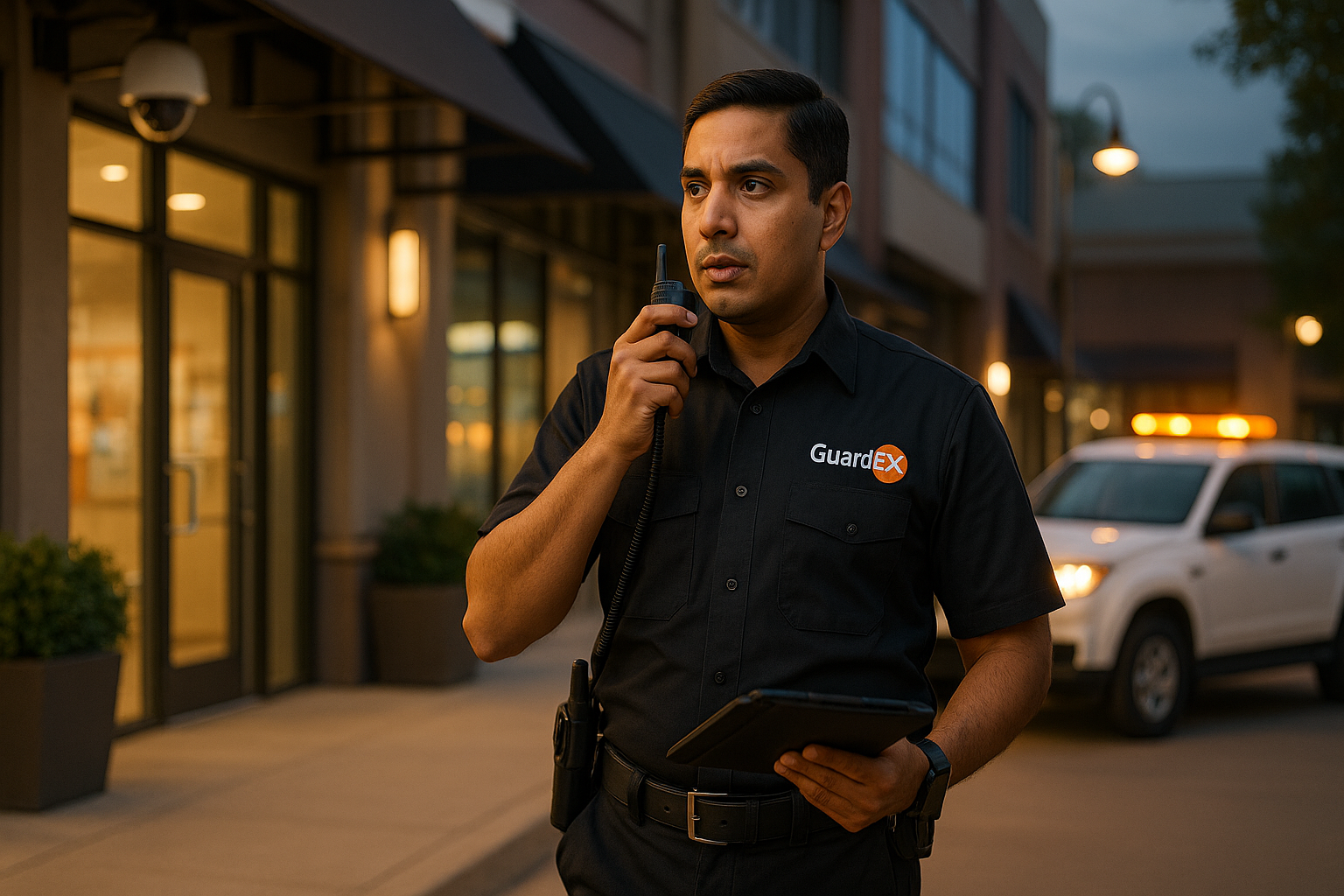
  • Visible public-facing coverage and escalationGuardEX maintains a calm presence, protects the check-in area, separates security concerns from operational decisions, and alerts management or law enforcement when behavior escalates.
  • Exterior asset and staging patrolsDocumented checks cover approved exterior locations, identify tampering or unauthorized movement, and escalate concerns without entering active tipping or equipment zones.
  • End-of-day closure checksOfficers verify client-designated gates, doors, and approaches from safe locations, document exceptions, and notify the facility contact about conditions requiring correction.
  • Approved routing and holding-point controlSecurity directs cleared vehicles only to the client-designated lane or holding point and immediately refers routing or unloading questions to facility personnel.
The GuardEX Planning Model

How GuardEX Builds a Security Plan That Works

Every service plan starts with the property, the daily routine, the people who use the site, and the response expected when something changes.

01

Understand the site

Identify access points, active hours, recurring concerns, patrol priorities, and the contacts officers may need.

02

Prepare the Officer

Brief officers on the post orders, access procedures, patrol route, communication standards, and reporting requirements.

03

Document the work

Use daily activity reports, incident reports, and guard-tour records to document the shift and identify follow-up.

04

Supervise and Support

Provide field supervision, prepare trained relief officers, and adjust the service when the property's needs change.

The result is a plan that officers can follow, supervisors can support, and management can evaluate through actual reports and patrol records.That's the GuardEX difference.

GuardEX In Action

Managing Security Through Peak Inbound Windows

Client Profile

A client operating a transfer station.

Security Challenge

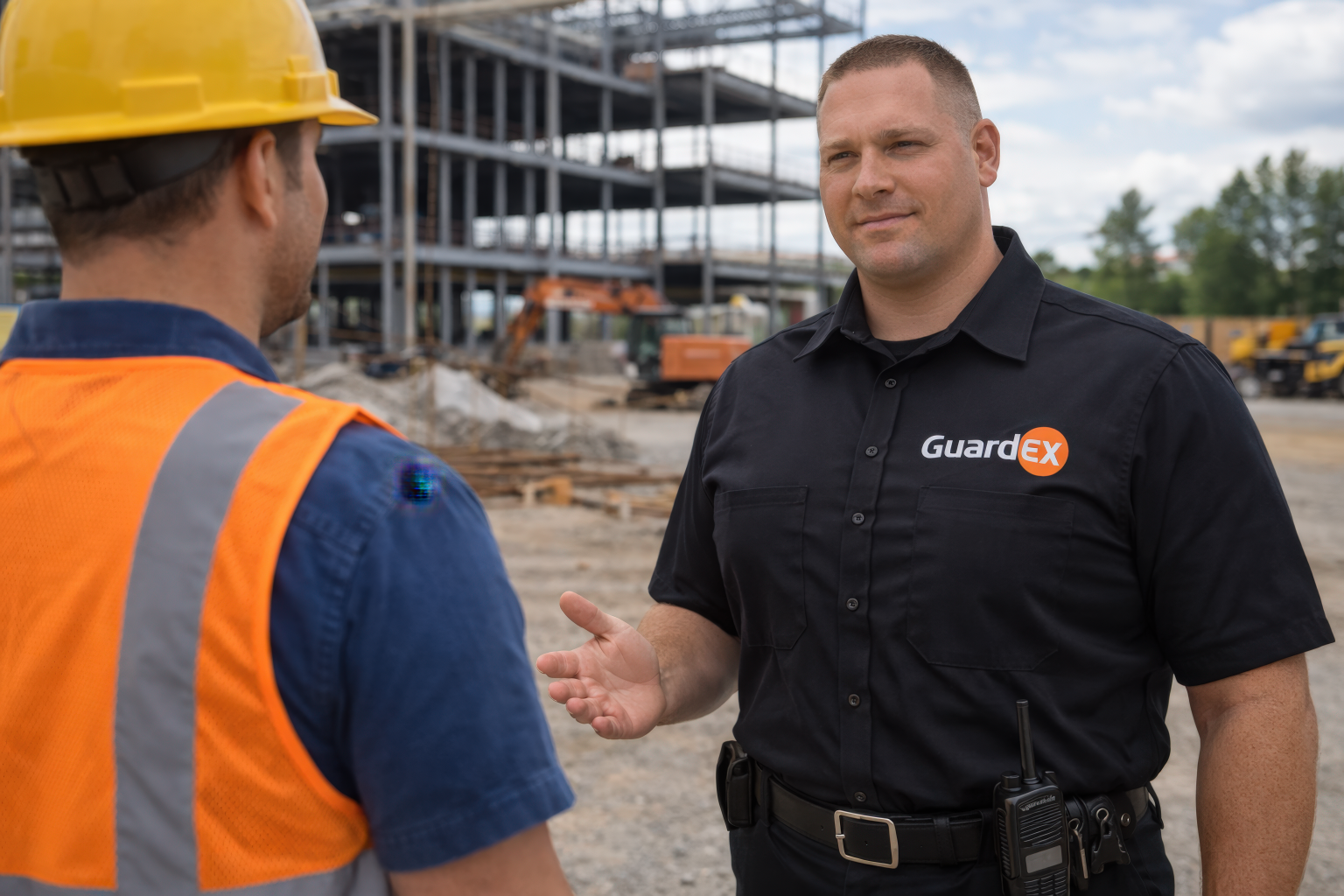
Transfer stations often have a smaller footprint than landfills, but the traffic is more concentrated. Peak inbound periods bring trucks, public users, contractors, and pedestrians into close proximity near the gate, scale, queue, and tipping-floor approach.

GuardEX Implementation Model

Peak inbound pressure determines the officer’s most useful position. GuardEX identifies where the officer can stay visible without interfering with scale or tipping operations, how unclear arrivals are referred, and when coverage should shift from the queue to exterior and closing checks. This keeps the role useful during both peak and quiet periods.

Key Actions

  • Reinforce the approved arrival and waiting process for commercial haulers, public users, vendors, and contractors.
  • Keep the entrance visible and refer bypass attempts, disputes, or aggressive behavior through the site’s contact procedure.
  • Shift patrol attention to exterior doors, parking, perimeter areas, and stored equipment after the inbound rush.
  • Document the time, location, action taken, and person notified when an access or behavior issue affects operations.

Client Goal / Benefit

Keep a high-volume transfer station orderly when commercial haulers, public drop-off traffic, and employees converge at the same entrance.

Popular regions

Transfer Station Security Coverage Across New Jersey

GuardEX Security Services provides transfer station security throughout New Jersey for municipal, commercial, and private waste-transfer properties. Coverage may include entrance officers, after-closing patrols, Remote Security, access control, or on-site CCTV.

Questions answered

FAQs

What do security officers typically do at a transfer station?
Officers may support the entrance, follow approved hauler and contractor procedures, patrol safe exterior areas, maintain gate and activity records, document unusual conditions, and notify station management when an exception occurs.
Can transfer station security change between operating and closing hours?
Yes. Duties can shift from entrance support during hauler activity to exterior patrols after closing. The schedule, restricted areas, checkpoints, and reporting requirements are confirmed before service begins and remain subject to staffing availability.
Can a transfer station combine guards with Remote Security and CCTV?
Yes. Remote Security provides off-site monitoring of authorized camera views, while on-site CCTV records and displays video at the property. The plan should define alert verification, station notification, officer response, and video-retention responsibilities.
Do security officers inspect waste, operate scales, or direct active unloading?
No. Officers can follow access procedures, maintain security records, patrol approved exterior areas, and report visible concerns. Waste inspection or acceptance, scale operation, active tipping-floor traffic, unloading, equipment operation, and environmental decisions remain with facility personnel.
View All FAQs

Resources & news

Recent Security Articles

SMALL BUSINESS SECURITY

Security Guard Services for Small Businesses in Englewood Cliffs, NJ

Practical security considerations for small businesses in Englewood Cliffs, including access, visibility, reporting, and after-hours coverage.

Read More
SECURITY TIPS

5 Things You Can Do to Secure Your Business's Perimeter

Five practical ways to strengthen gates, fencing, lighting, access points, and exterior visibility around a commercial property.

Read More
Get CoverageRequest Call Back