
Toggle menu
Get CoverageRequest Call Back

Rail Yard Security Services in New Jersey

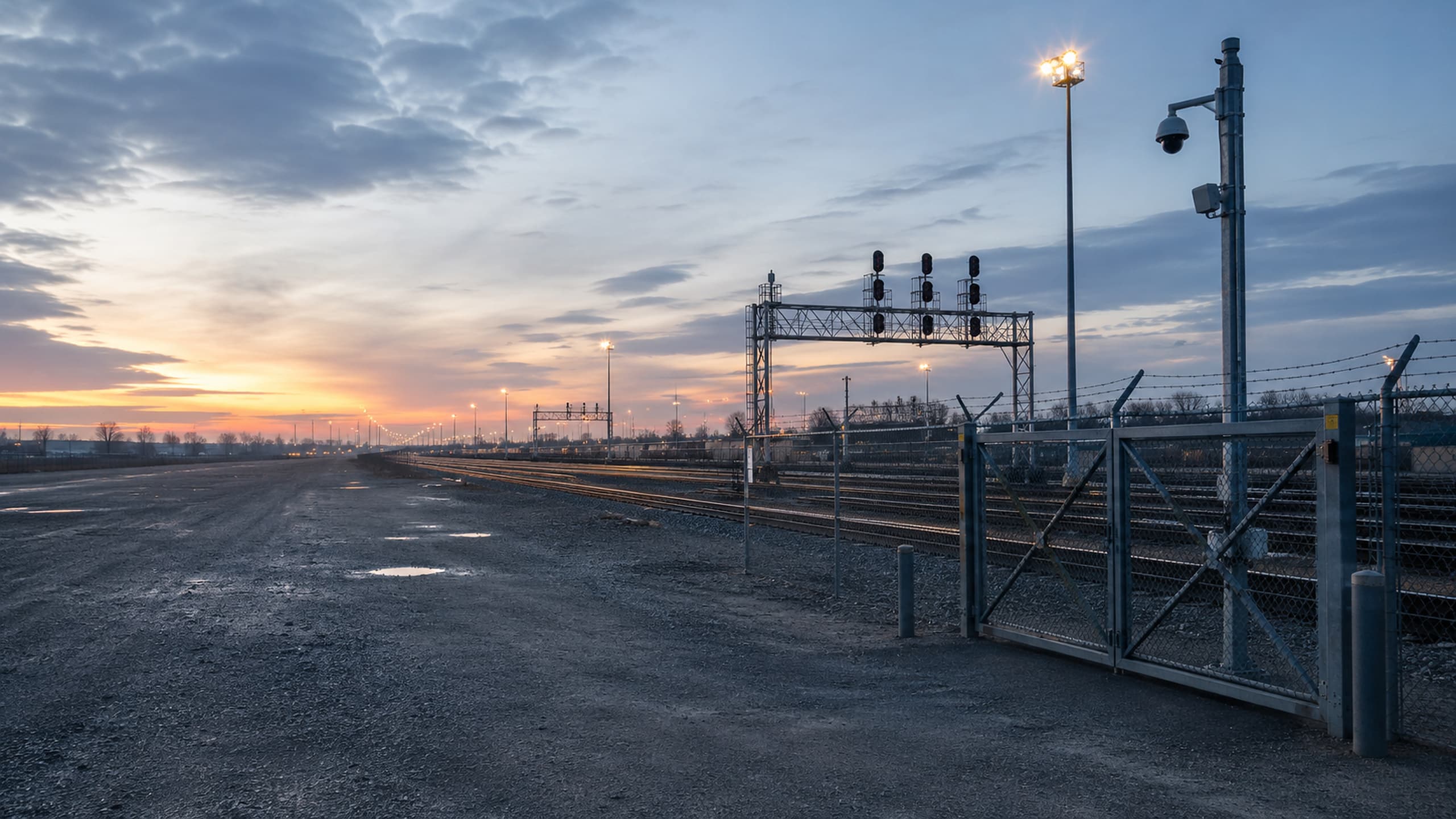
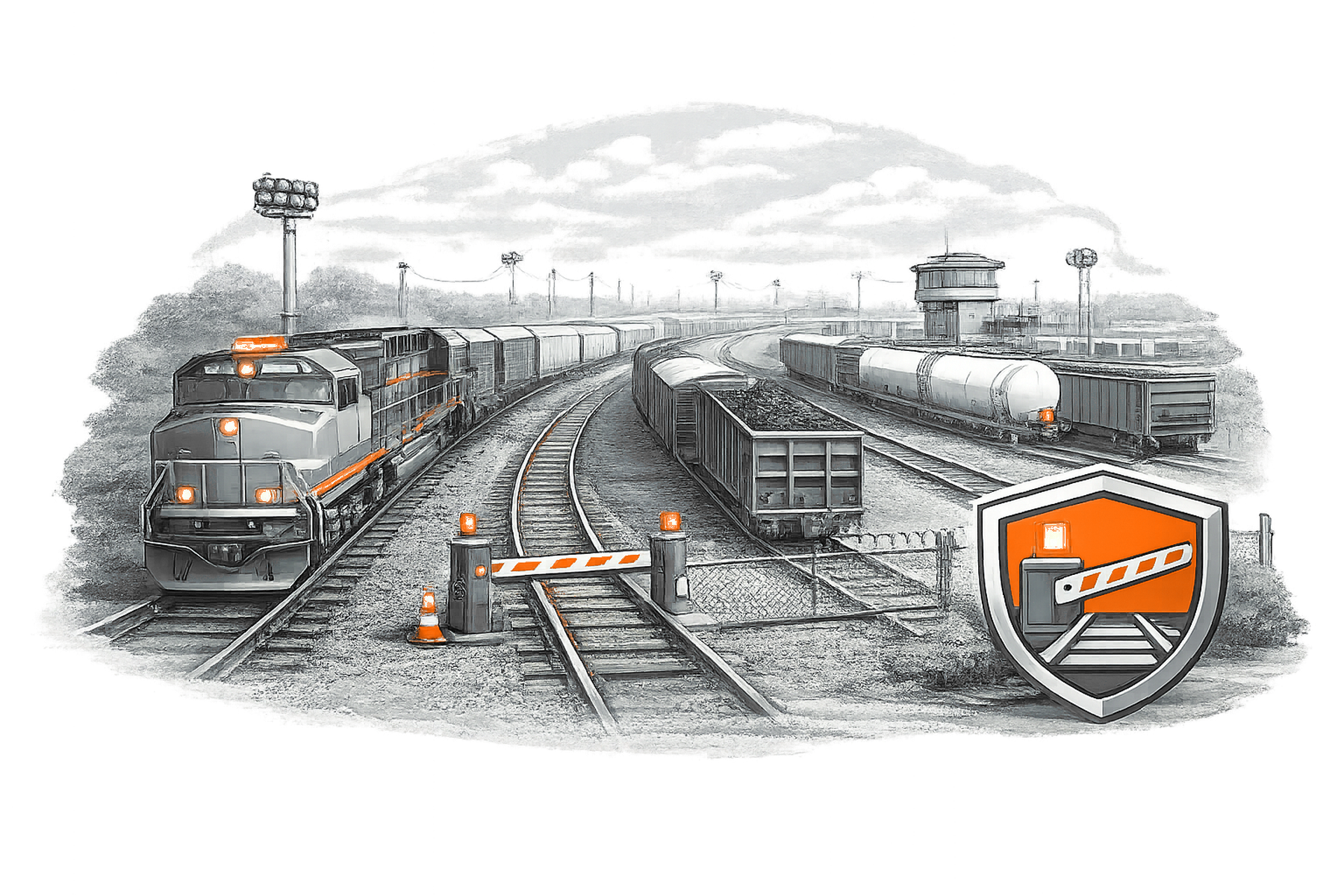
Rail yards combine active track operations, freight or equipment staging, truck and contractor access, large perimeters, and quiet periods between movements. GuardEX Security Services plans gate coverage and safe patrol duties without placing rail operations on the officer.

GuardEX at a Glance

10+ Years

Providing professional security solutionsacross New Jersey for over a decade.

TOP RATED

Five-star feedback on review sitesincluding Google and Yelp.

Locally Embedded

Our ownership and management live here.We protect the communities we call home.

overview

Rail Yard Security for Gates, Perimeters, and Staging Areas

A rail yard may shift between active train movements, truck arrivals, contractor work, equipment staging, and low-activity overnight periods. Officers need clear safety boundaries as much as they need clear security duties.

GuardEX walks the property with rail operations personnel to identify the staffed gate, employee and contractor procedures, approved patrol routes, fence-line points, storage or staging areas, service access, and areas officers must not enter.

Officers can support approved access, maintain gate logs, patrol designated safe areas, document incidents, and notify the proper rail contact. Train movement, switching, dispatch, track authority, freight handling, cargo inspection, and equipment operation remain with qualified rail personnel.

Define Rail Yard Security Without Crossing Operational Lines

Walk through the gate, contractor access, safe patrol routes, active-track boundaries, after-hours concerns, and notification contacts with GuardEX. We will put the officer's duties and limits in writing before service begins.

services

Security Services for Rail Yards

Rail yard security may combine a staffed gate with perimeter and staging-area checks during quieter periods. Remote Security, access control, and CCTV can extend visibility, but every duty must remain within rail-approved safety and operational boundaries.

Unarmed Security GuardsUnarmed officers can staff yard gates, follow employee and contractor procedures, maintain logs, patrol designated safe areas, document incidents, and contact rail operations or emergency services as directed.Learn MoreArmed Security GuardsArmed coverage may be considered only for a documented higher-risk post involving credible threats, sensitive cargo areas, repeated serious incidents, or another supported need. Authority, safe post location, and escalation are defined before staffing.Learn MoreMobile Security PatrolsScheduled or randomized patrols can check gates, service roads, fence-line points, staging areas, and approved perimeter locations when continuous staffing is not required. Routes must be approved by rail operations and kept clear of active track zones.Learn MoreRemote SecurityOff-site video monitoring can watch authorized views of gates, service roads, staging areas, fence-line approaches, and perimeter points. Configured AI detection can support alerting, but every alert follows a documented verification, notification, and response procedure.Learn MoreAccess Control SystemsAccess control can organize credentials and entry procedures for employees, drivers, rail contractors, vendors, and service personnel. Officers follow client-approved lists and contact the designated rail representative when authorization is unclear.Learn MoreVideo Security SystemsOn-site CCTV can record gates, service roads, staging areas, fence-line approaches, and perimeter points for local viewing and incident review. Camera placement, retention, and optional AI detection are scoped to the yard; Remote Security remains separate.Learn More

Challenges and Solutions for Rail Yard Security

Rail yards contain freight, locomotives, railcars, equipment, service roads, gates, and long perimeter lines that may remain active around the clock. Unauthorized entry, cargo tampering, material theft, and after-hours trespassing can occur across areas that are difficult to observe from a single post.

Rail Yard Security Challenges

Rail-yard exposures include unauthorized gate entry, railcar or cargo tampering, remote fence-line breaches, equipment and fuel theft, after-hours trespassing, and damaged or unsecured access points.

  • Unauthorized vehicle and contractor entryDrivers, vendors, contractors, and visitors may arrive without current approval, use the wrong gate, or request access to areas outside their authorized work.
  • Cargo and railcar tamperingLoaded railcars, intermodal containers, trailers, and staged freight may be targeted for theft, seal damage, unauthorized opening, or suspicious movement.
  • Remote fence-line breachesLong perimeter sections, secondary gates, service roads, and vegetation can create concealed entry points for trespassers or unauthorized vehicles.
  • Equipment, fuel, and material theftTools, copper, fuel, maintenance supplies, and mobile equipment stored in low-activity areas can attract theft or unauthorized removal.
  • After-hours trespassing and vandalismQuiet overnight periods can attract trespassers, graffiti, illegal dumping, or people entering the yard for theft or unsafe recreational activity.
  • Damaged gates, lighting, and open access pointsA failed light, broken fence, unsecured gate, or propped door can leave part of the yard exposed until operations or maintenance corrects it.
How GuardEX Addresses Them

GuardEX addresses these risks from client-approved safe areas through gate verification, staging-zone patrols, perimeter checks, focused asset-area rounds, overnight coverage, and prompt property-condition reporting.

  • Gate verification and access controlAt assigned gates, guards confirm identity, company, purpose, authorization, and rail-yard contact before admitting or directing an approved arrival.
  • Staging-zone and freight patrolsUsing routes approved as safe by rail operations, guards check assigned freight and staging areas for observable tampering, open doors, suspicious vehicles, or unusual activity.
  • Perimeter checkpoints and breach reportingScheduled and irregular patrols cover assigned fence lines, gates, and service-road approaches, with cuts, damage, open points, or tracks of unauthorized entry reported.
  • Focused high-value-area patrolsPatrol routes give added attention to client-identified equipment and material zones, and guards document suspicious handling, vehicles, or removal attempts for immediate escalation.
  • Overnight patrols and police escalationVisible rounds cover approved exterior areas, guards avoid active track zones, and trespassing or criminal activity is reported to rail management and law enforcement under procedure.
  • Security-condition checks and reportingGuards document assigned lighting, gate, fence, and door conditions, notify the designated rail contact, and increase observation of the affected area when directed.
The GuardEX Planning Model

How GuardEX Builds a Security Plan That Works

Every service plan starts with the property, the daily routine, the people who use the site, and the response expected when something changes.

01

Understand the site

Identify access points, active hours, recurring concerns, patrol priorities, and the contacts officers may need.

02

Prepare the Officer

Brief officers on the post orders, access procedures, patrol route, communication standards, and reporting requirements.

03

Document the work

Use daily activity reports, incident reports, and guard-tour records to document the shift and identify follow-up.

04

Supervise and Support

Provide field supervision, prepare trained relief officers, and adjust the service when the property's needs change.

The result is a plan that officers can follow, supervisors can support, and management can evaluate through actual reports and patrol records.That's the GuardEX difference.

GuardEX In Action

Security That Respects Rail-Safety Boundaries

Client Profile

A client managing a rail yard.

Security Challenge

Rail yards combine long perimeters, multiple access points, parked equipment, stored materials, service buildings, and activity that may continue after dark. The property is too large for a single static post, but security routes cannot cross into active track work casually.

GuardEX Implementation Model

The patrol map is developed with rail safety in mind. GuardEX identifies roads, gates, material-storage boundaries, buildings, and parked-equipment areas officers can check safely, then marks active-track and operating zones as off limits. That gives the yard broader visibility without creating a new rail hazard.

Key Actions

  • Define approved patrol roads, stopping points, and no-go track or switching zones before coverage begins.
  • Use one access procedure for employees, contractors, vendors, and scheduled service personnel.
  • Check gates, fence-line sections, buildings, stored materials, and parked-equipment boundaries from safe positions.
  • Report tampering, damaged barriers, trespass indicators, and unsafe conditions through the railroad contact procedure.

Client Goal / Benefit

Protect rolling stock, stored materials, and access points across a property that cannot be watched from one post.

Popular regions

Rail Yard Security Coverage Across New Jersey

GuardEX Security Services provides rail yard security across New Jersey for freight yards, intermodal facilities, maintenance properties, storage and staging areas, and related rail-support sites. Coverage may include gate officers, patrols, Remote Security, access control, or CCTV.

Questions answered

FAQs

What do rail yard security officers typically do?
Officers may staff gates, follow approved employee and contractor procedures, patrol designated safe service-road or perimeter areas, maintain logs, document incidents, and notify rail operations or emergency services according to the post orders.
Can security officers patrol near active tracks?
Only within routes and conditions specifically approved by the rail operator. The post orders should identify safe access, prohibited areas, communication procedures, and when patrols must stop because of active rail movement.
Can a rail yard use Remote Security and CCTV?
Yes. Remote Security provides off-site monitoring of authorized camera views, while on-site CCTV records and displays video at the yard. Both services need clear alert, verification, notification, retention, and response procedures.
Do rail yard security officers direct trains, switch tracks, inspect cargo, or handle freight?
No. Those are rail and freight responsibilities. Officers remain within the approved security role, document observable concerns, and contact qualified rail personnel or emergency services when action is required.
View All FAQs

Resources & news

Recent Security Articles

SMALL BUSINESS SECURITY

Security Guard Services for Small Businesses in Englewood Cliffs, NJ

Practical security considerations for small businesses in Englewood Cliffs, including access, visibility, reporting, and after-hours coverage.

Read More
SECURITY TIPS

5 Things You Can Do to Secure Your Business's Perimeter

Five practical ways to strengthen gates, fencing, lighting, access points, and exterior visibility around a commercial property.

Read More
Get CoverageRequest Call Back