








Toggle menu
Get CoverageRequest Call Back

Oil Spill Cleanup Site Security Services in New Jersey

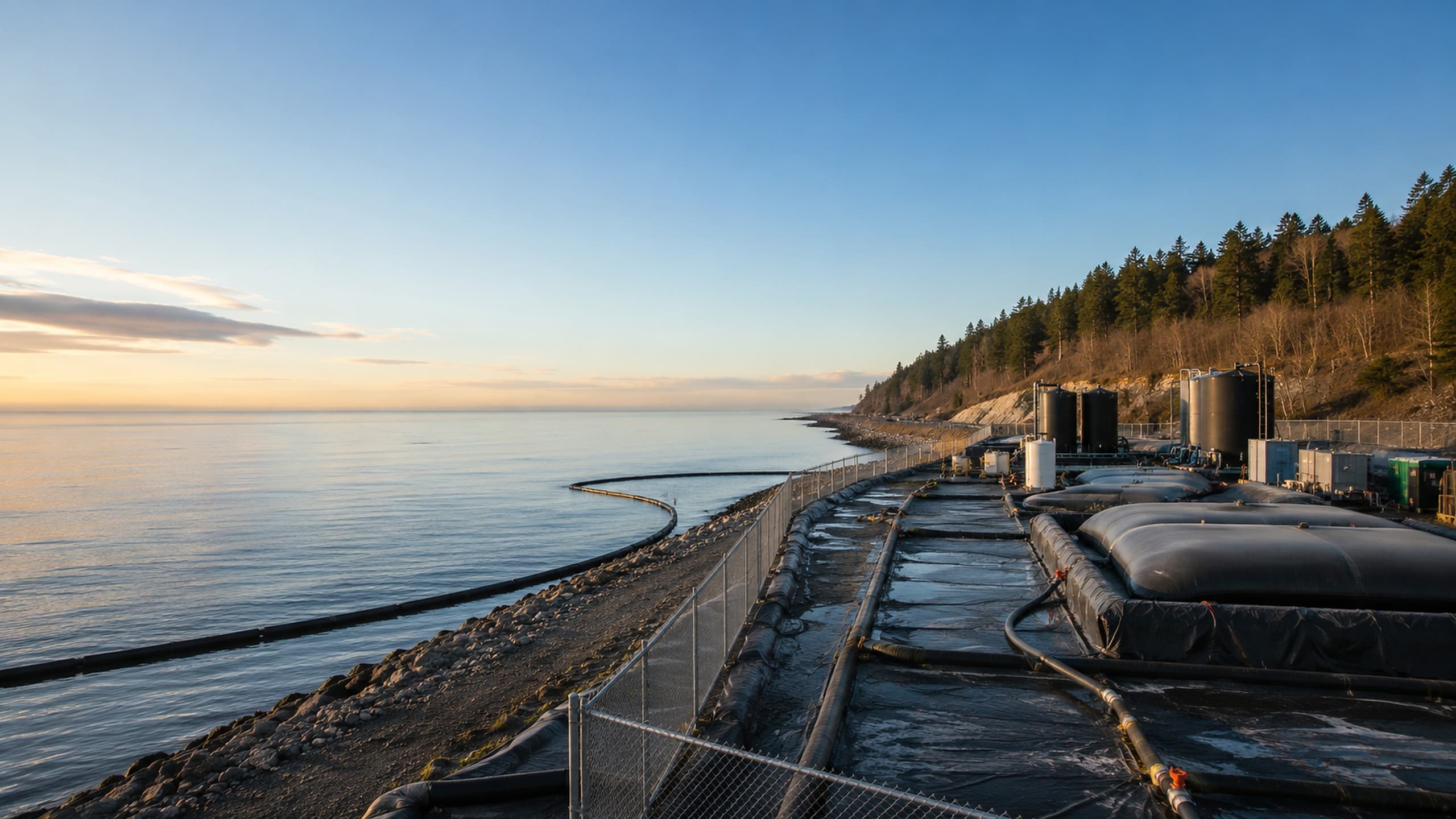
Oil spill response can create a temporary worksite almost overnight, with rotating crews, equipment staging, deliveries, and access points that change as the operation moves. GuardEX Security Services helps keep entry, restricted areas, patrols, and reporting organized across changing shifts.

GuardEX at a Glance

10+ Years

Providing professional security solutionsacross New Jersey for over a decade.

TOP RATED

Five-star feedback on review sitesincluding Google and Yelp.

Locally Embedded

Our ownership and management live here.We protect the communities we call home.

overview

Security for Fast-Changing Oil Spill Cleanup Operations

Unlike a permanent facility, a spill-response site may expand, relocate, or change hours quickly. Security instructions must keep up with new staging areas, shoreline or industrial access points, equipment, and incoming response personnel.

GuardEX coordinates with the client or designated incident-management contact to identify the active entrance, approved personnel, visitor procedure, equipment staging, permitted patrol areas, shift schedule, report standard, and notification chain.

Officers support access control, perimeter observation, equipment-area patrols, documentation, and notification. Spill containment, cleanup, sampling, wildlife response, marine operations, traffic control beyond the assigned entrance, and emergency command remain with qualified response personnel.

Set the Security Plan Before the Next Shift Arrives

Share the current staging area, approved-personnel process, shift schedule, equipment locations, patrol limits, and response contacts. GuardEX will turn those moving parts into clear instructions that can be updated as the operation changes.

services

Oil Spill Cleanup Site Security Services

Temporary response operations may need a fixed entrance officer, around-the-clock staffing, scheduled patrols, Remote Security, access control, CCTV, or a combination. The service plan should be easy to update as the staging area and response schedule change.

Unarmed Security GuardsUnarmed officers can staff the active entrance, verify response personnel through the client's process, patrol approved exterior areas, document activity, and follow the written notification plan.Learn MoreArmed Security GuardsArmed coverage is considered only when the temporary response site has a documented elevated risk, such as a credible threat, repeated intrusion, or valuable equipment. The role remains separate from spill response and emergency command.Learn MoreMobile Security PatrolsScheduled or randomized patrols can check temporary gates, fencing, trailers, equipment staging, parking or service approaches, and other approved points during overnight or lightly staffed periods.Learn MoreRemote SecurityOff-site video monitoring can watch authorized entrances, temporary boundaries, equipment staging, trailers, and approved exterior views. AI detection may support alerting, while verification and notification follow the written response procedure.Learn MoreAccess Control SystemsAccess control can support temporary credentials or entry records for approved response personnel. Officers follow the client's current authorization list and contact the designated decision-maker when access is unclear.Learn MoreVideo Security SystemsOn-site CCTV can record authorized entrances, equipment staging, trailers, temporary boundaries, and approved exterior views for local viewing and incident review. Camera placement, retention, optional AI detection, and viewing duties are scoped separately from Remote Security.Learn More

Challenges and Solutions for Oil Spill Cleanup Site Security

Oil spill response sites are temporary, fast-moving operations that can span shorelines, marinas, staging lots, and service roads. Changing boundaries, rotating crews, public attention, staged cleanup equipment, and irregular vehicle activity can leave access gaps—especially overnight or as response zones expand and contract.

Oil Spill Cleanup Site Security Challenges

Oil spill cleanup sites may face public entry into restricted shoreline areas, unverified response personnel, theft or tampering near equipment staging, vehicle congestion, damaged temporary boundaries, and after-hours incidents requiring immediate notification.

  • Unauthorized public entry into response zonesShoreline activity, visible equipment, and public concern may draw onlookers, media, boaters, or unauthorized visitors toward restricted cleanup and staging areas.
  • Rotating crews and agency personnelContractors, environmental consultants, vendors, regulators, and public-agency personnel may change by shift, location, or phase of the response.
  • Theft or tampering of staged response assetsBooms, pumps, generators, trailers, lighting, fuel, PPE, and support equipment may remain in temporary outdoor staging areas between shifts.
  • Congested or misdirected vehicle arrivalsHaulers, service trucks, deliveries, crew vehicles, and emergency resources may arrive at temporary entrances or staging lots with limited room and changing routes.
  • Shifted or damaged temporary boundariesFencing, cones, barriers, and shoreline exclusion points may be moved by weather, tides, work activity, or repeated vehicle movement.
  • After-hours alarms or visible emergenciesSmoke, fire, alarms, unusual odors, damaged equipment, or urgent responder access needs may arise when cleanup supervisors are not at the entrance.


How GuardEX Addresses Them

GuardEX supports the response with boundary control, current credential checks, safe exterior patrols, vehicle routing, documented fence and barrier inspections, and emergency notification from approved posts without entering spill-response or hazardous work zones.

  • Controlled boundary and public-interface coverageOfficers maintain a visible presence at client-approved access points, redirect unauthorized visitors, and refer questions to the designated response contact without entering shoreline or spill-response zones.
  • Current credential and assignment verificationSecurity confirms identity, organization, assignment, destination, and current authorization through the approved roster or site contact before directing access.
  • Safe staging-area and equipment patrolsGuardEX performs documented exterior checks from approved routes, reports open or damaged conditions, and escalates suspicious movement without handling response equipment or materials.
  • Vehicle check-in and designated routingOfficers verify the expected arrival and destination, hold unresolved vehicles outside controlled areas, and direct approved traffic along the client-designated route.
  • Documented temporary-boundary inspectionsPatrols identify displaced barriers, open gates, damaged fencing, and unintended access paths so the response team can restore the boundary.
  • Safe-post notification and responder access supportOfficers remain outside restricted areas, contact emergency services and designated response personnel, preserve the approved access route, and document observable conditions and notifications.
The GuardEX Planning Model

How GuardEX Builds a Security Plan That Works

Every service plan starts with the property, the daily routine, the people who use the site, and the response expected when something changes.

01

Understand the site

Identify access points, active hours, recurring concerns, patrol priorities, and the contacts officers may need.

02

Prepare the Officer

Brief officers on the post orders, access procedures, patrol route, communication standards, and reporting requirements.

03

Document the work

Use daily activity reports, incident reports, and guard-tour records to document the shift and identify follow-up.

04

Supervise and Support

Provide field supervision, prepare trained relief officers, and adjust the service when the property's needs change.

The result is a plan that officers can follow, supervisors can support, and management can evaluate through actual reports and patrol records.That's the GuardEX difference.

GuardEX In Action

Security for a Moving Spill-Response Footprint

Client Profile

A client overseeing an oil-spill response site.

Security Challenge

An oil-spill response can expand, contract, or relocate in a matter of hours. Crews rotate, equipment arrives continuously, and temporary staging areas may sit close to public roads, shorelines, or active industrial property.

GuardEX Implementation Model

The security plan has to remain mobile. GuardEX confirms the active access point and staging footprint at each phase, then updates posts and handoffs when the response moves. Officers keep the landside boundary orderly, document access exceptions and changing conditions, and route operational questions back to the incident command structure.

Key Actions

  • Reposition the entry or public-facing access point when cleanup activity shifts.
  • Verify crews, vendors, and deliveries against the current response schedule.
  • Protect equipment, fuel, temporary offices, and staging areas between active work periods.
  • Give each incoming shift a concise handoff of active zones, expected arrivals, and unresolved concerns.

Client Goal / Benefit

Keep a spill-response site controlled while crews and equipment move with the cleanup.

Popular regions

Oil Spill Cleanup Site Security Across New Jersey

GuardEX Security Services provides oil spill cleanup site security throughout New Jersey for temporary staging yards, shoreline or industrial access points, response support areas, equipment locations, and approved perimeters. Coverage may include on-site guards, mobile patrols, Remote Security, access control, or CCTV.

Questions answered

FAQs

What can security officers cover at an oil spill cleanup site?
Duties may include staffing a temporary entrance, verifying approved response personnel, maintaining access records, patrolling permitted equipment or support areas, documenting boundary conditions, and notifying the designated client contact when an exception occurs.
Can GuardEX support a temporary or rapidly changing response site?
Yes. The schedule, post location, access process, patrol route, equipment checkpoints, and contact list can be revised as the response expands, relocates, changes shifts, or closes portions of the site.
Can security cover equipment staging during overnight response shifts?
Yes. Depending on the location, overnight coverage may use an on-site officer, scheduled mobile patrols, Remote Security, CCTV, or a combination. The plan identifies authorized activity, permitted checkpoints, camera views, and response contacts.
Do security officers participate in spill containment or cleanup?
No. Officers support physical access, permitted patrols, observation, documentation, and notification. Spill containment, cleanup, sampling, wildlife response, marine operations, hazardous-material work, traffic control beyond the assigned entrance, and emergency command remain with qualified personnel.
View All FAQs

Resources & news

Recent Security Articles

SMALL BUSINESS SECURITY

Security Guard Services for Small Businesses in Englewood Cliffs, NJ

Practical security considerations for small businesses in Englewood Cliffs, including access, visibility, reporting, and after-hours coverage.

Read More
SECURITY TIPS

5 Things You Can Do to Secure Your Business's Perimeter

Five practical ways to strengthen gates, fencing, lighting, access points, and exterior visibility around a commercial property.

Read More
Get CoverageRequest Call Back