








Toggle menu
Get CoverageRequest Call Back

Museum Security Services in New Jersey

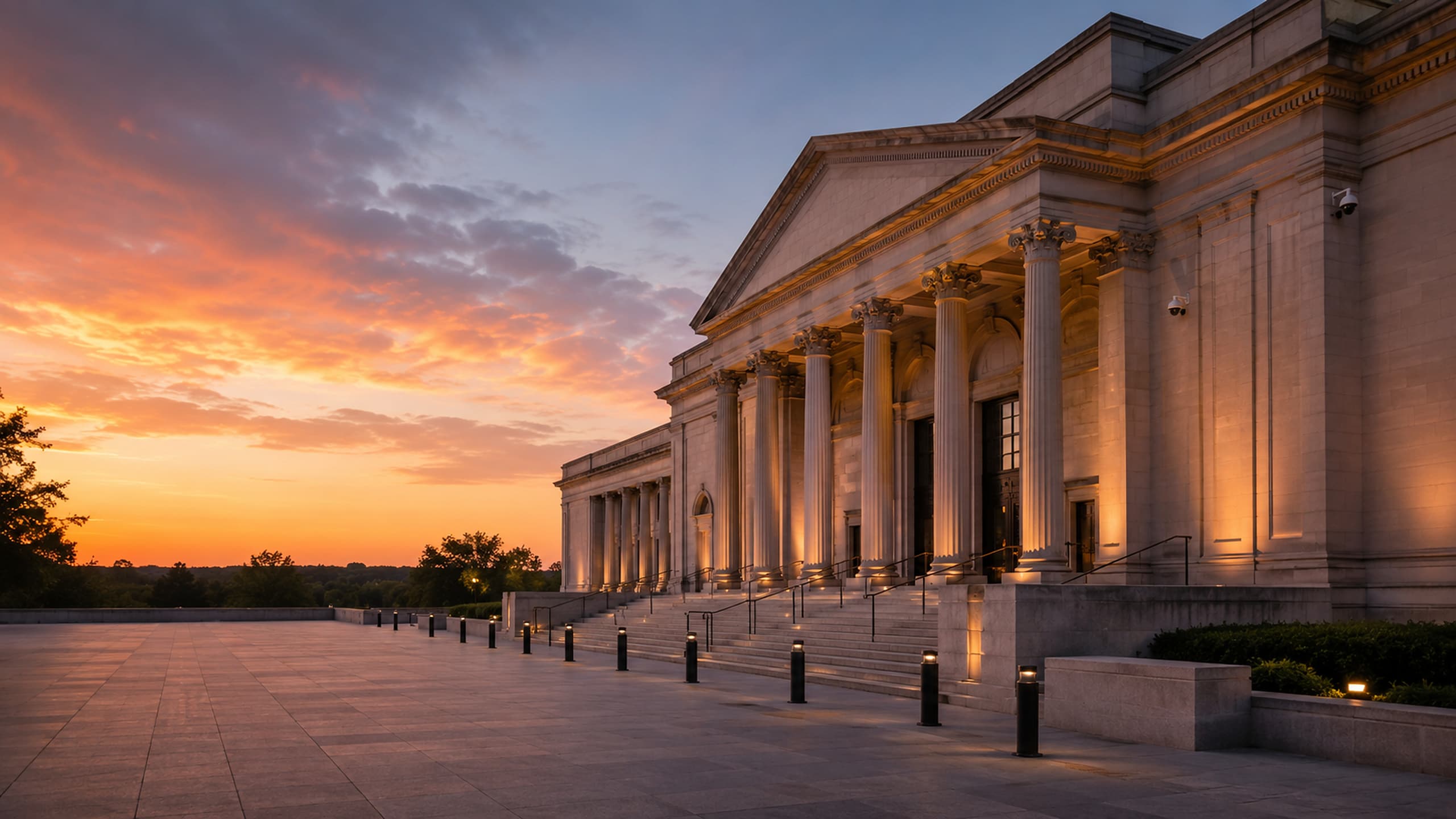
Museums welcome the public while protecting collections, galleries, exhibits, staff areas, loading access, and special events. GuardEX Security Services plans a professional security presence around visitor flow and the museum's own protection procedures.

GuardEX at a Glance

10+ Years

Providing professional security solutionsacross New Jersey for over a decade.

TOP RATED

Five-star feedback on review sitesincluding Google and Yelp.

Locally Embedded

Our ownership and management live here.We protect the communities we call home.

overview

Museum Security for Galleries, Guests, and Back-of-House Areas

Museum security has to support a positive visitor experience while keeping attention on galleries, exhibit boundaries, restricted rooms, service access, and closing routines. The officer's role should be visible without becoming distracting.

GuardEX reviews public entrances, ticketing and lobby areas, galleries, event spaces, loading and service doors, staff-only areas, parking, closing procedures, reporting, and emergency contacts with museum leadership.

Officers follow the museum's written access, visitor, patrol, and incident procedures. Collection handling, conservation, curatorial decisions, visitor admissions, and employee matters remain with authorized museum staff.

Plan Museum Security Around the Visitor Experience

Tell us how visitors enter, which galleries and restricted areas need attention, when events or deliveries occur, and how incidents should be escalated. GuardEX will translate that into practical post orders.

services

Museum Security Services for New Jersey Institutions

Museum security may include entrance or gallery officers, event coverage, opening and closing support, mobile patrols, Remote Security, access control, CCTV, or a combination aligned with the museum's procedures.

Unarmed Security GuardsUnarmed museum security officers can support entrances and galleries, assist with written visitor procedures, patrol assigned areas, document concerns, and contact authorized museum staff when a collection or operational decision is required.Learn MoreArmed Security GuardsArmed coverage may be considered for documented elevated risks, high-value exhibitions, transport-related periods, or specific institutional requirements. The role, visibility, authority, and escalation limits are defined with museum leadership before staffing.Learn MoreMobile Security PatrolsScheduled patrols can check exterior doors, parking, loading access, event spaces, and other assigned areas before opening, after closing, or when a fixed officer is not required.Learn MoreRemote SecurityOff-site video monitoring can watch authorized entrances, loading approaches, parking access, and exterior views during selected hours. AI detection may support alerting, with verification, notification, and response governed by the written plan.Learn MoreAccess Control SystemsAccess control can support employee credentials, offices, storage, workshops, loading areas, and other restricted spaces. Officers follow museum-approved access lists and refer exceptions to authorized staff.Learn MoreVideo Security SystemsOn-site CCTV can record entrances, galleries, exhibit approaches, event spaces, loading access, and authorized back-of-house views for local review. Camera placement, retention, privacy, optional AI detection, and footage access are defined with the museum; Remote Security remains separate.Learn More

Challenges and Solutions for Museum Security

Museums balance open public access with valuable or irreplaceable collections, changing exhibits, school groups, special events, and tightly controlled back-of-house areas. Exhibit damage, restricted-area entry, crowd congestion, and after-hours intrusion require visible security that supports the visitor experience without handling the collection.

Museum Security Challenges

Museum risks can include attempted theft or damage to exhibits, visitors entering staff-only areas, crowding during group visits and openings, disruptive behavior, unverified vendor access, and open doors or alarms after closing.

  • Exhibit touching, damage, or attempted theftVisitors may cross barriers, handle displays, damage artwork, or attempt to remove small objects before museum staff can intervene.
  • Visitors entering staff-only areasPublic circulation can intersect with offices, storage, workshops, loading access, and service corridors that should remain restricted.
  • Crowding during groups and exhibit openingsSchool visits, tours, receptions, and new-exhibit openings can create queues, blocked circulation, and limited visibility around galleries or entrances.
  • Disruptive or threatening visitor behaviorArguments, harassment, intoxication, refusal to follow rules, or threatening conduct can affect visitors, staff, and nearby exhibits.
  • Unverified vendors and installation crewsArt handlers, installers, caterers, maintenance vendors, and contractors may need access to loading areas or closed galleries outside normal public hours.
  • After-hours intrusion and open-door alarmsA propped exit, forced door, alarm activation, or unknown person near the property can expose galleries and back-of-house areas after closing.

How GuardEX Addresses Them

GuardEX responds with visible gallery coverage, restricted-area controls, event and group-visit posts, policy-based de-escalation, host-confirmed contractor access, and documented closing patrols or alarm response.

  • Visible gallery coverage and early interventionOfficers maintain an attentive presence, reinforce museum rules, notify collection or gallery staff, protect the area, and document incidents without touching or handling exhibits.
  • Restricted-area access controlSecurity monitors assigned doors and corridors, redirects visitors, verifies staff or contractor authorization, and contacts the designated museum representative for exceptions.
  • Event and group-visit security postsGuardEX positions officers at approved entrances, galleries, stairwells, or event areas to support orderly movement, maintain clear routes, and report crowd concerns.
  • Policy-based de-escalation and escalationOfficers address behavior calmly, involve museum leadership when required, create distance from exhibits or crowds, contact emergency services when necessary, and document the response.
  • Scheduled vendor access and host confirmationSecurity verifies the vendor, schedule, host, destination, and escort requirement, records arrival and departure, and denies access that cannot be confirmed.
  • Closing patrols and alarm responseOfficers check assigned galleries, corridors, exits, loading access, and exterior approaches, respond within approved boundaries, protect the scene, and notify the proper contacts.
The GuardEX Planning Model

How GuardEX Builds a Security Plan That Works

Every service plan starts with the property, the daily routine, the people who use the site, and the response expected when something changes.

01

Understand the site

Identify access points, active hours, recurring concerns, patrol priorities, and the contacts officers may need.

02

Prepare the Officer

Brief officers on the post orders, access procedures, patrol route, communication standards, and reporting requirements.

03

Document the work

Use daily activity reports, incident reports, and guard-tour records to document the shift and identify follow-up.

04

Supervise and Support

Provide field supervision, prepare trained relief officers, and adjust the service when the property's needs change.

The result is a plan that officers can follow, supervisors can support, and management can evaluate through actual reports and patrol records.That's the GuardEX difference.

GuardEX In Action

Security Around Galleries, Exhibits, and Special Events

Client Profile

A client operating a museum.

Security Challenge

Museums balance open public access with collections, temporary exhibitions, school groups, private events, vendors, and loading activity. The security plan has to protect boundaries without distracting from the visitor experience.

GuardEX Implementation Model

The visitor route reveals where public access changes. GuardEX identifies exhibit boundaries and staff-only doors, then sets the procedure for service access, temporary installations, events, and closing. Officer positions change when the museum moves from normal admission to a private program or load-in.

Key Actions

  • Maintain a professional entrance presence aligned with the museum’s ticketing and visitor process.
  • Patrol galleries and public areas with attention to exhibit boundaries, crowding, and staff requests.
  • Use the approved service entrance and museum contact for vendors, installers, contractors, and deliveries.
  • Adjust posts for school groups, private events, temporary exhibitions, load-in, and closing.

Client Goal / Benefit

Give visitors a welcoming gallery experience while keeping attention on exhibits, restricted areas, and changing event schedules.

Popular regions

Museum Security Coverage Across New Jersey

GuardEX Security Services provides museum security throughout New Jersey for art museums, historical museums, cultural institutions, exhibition spaces, and related facilities. Coverage may include gallery or entrance officers, event support, mobile patrols, Remote Security, access control, or CCTV.

Questions answered

FAQs

What do museum security officers typically do?
Duties may include supporting entrances and galleries, following visitor and access procedures, patrolling assigned spaces, documenting concerns, assisting with opening or closing, and contacting museum staff or emergency services when needed.
Do museum security officers handle artwork or collection materials?
No. Officers may control access, maintain presence, or document activity around collection work, but handling, packing, installation, transport, conservation, and curatorial decisions remain with authorized museum professionals.
Can coverage change for temporary exhibits, school groups, or private events?
Yes. Staffing, posts, entrances, patrols, and event responsibilities can be adjusted for exhibitions, group visits, receptions, installations, or temporary concerns, subject to agreed duties and staffing availability.
Can GuardEX work with a museum's existing CCTV and access control systems?
Yes. Existing systems can be incorporated after museum leadership defines authorized users, restricted areas, local camera duties, footage access, and the exception process. Off-site Remote Security is scoped separately.
View All FAQs

Resources & news

Recent Security Articles

SMALL BUSINESS SECURITY

Security Guard Services for Small Businesses in Englewood Cliffs, NJ

Practical security considerations for small businesses in Englewood Cliffs, including access, visibility, reporting, and after-hours coverage.

Read More
SECURITY TIPS

5 Things You Can Do to Secure Your Business's Perimeter

Five practical ways to strengthen gates, fencing, lighting, access points, and exterior visibility around a commercial property.

Read More
Get CoverageRequest Call Back