

Toggle menu
Get CoverageRequest Call Back

Mall Security Services in New Jersey

Keep common areas visible, support tenant and vendor procedures, and make closing checks consistent. GuardEX Security Services plans mall security around public activity, service corridors, parking, and the property's management structure.

GuardEX at a Glance

10+ Years

Providing professional security solutionsacross New Jersey for over a decade.

TOP RATED

Five-star feedback on review sitesincluding Google and Yelp.

Locally Embedded

Our ownership and management live here.We protect the communities we call home.

overview

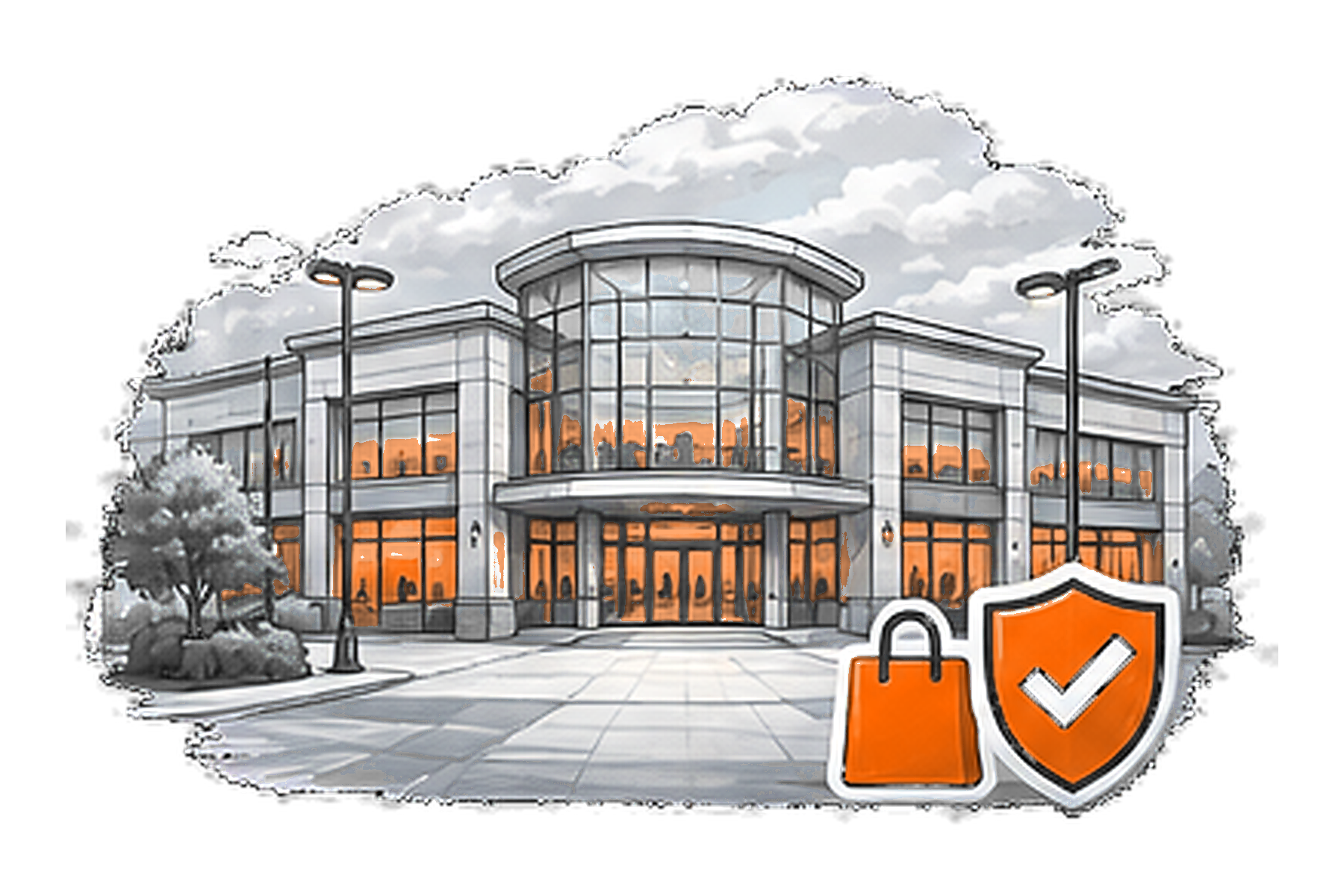
Mall Security for Public Areas, Back-of-House Access, and Closing

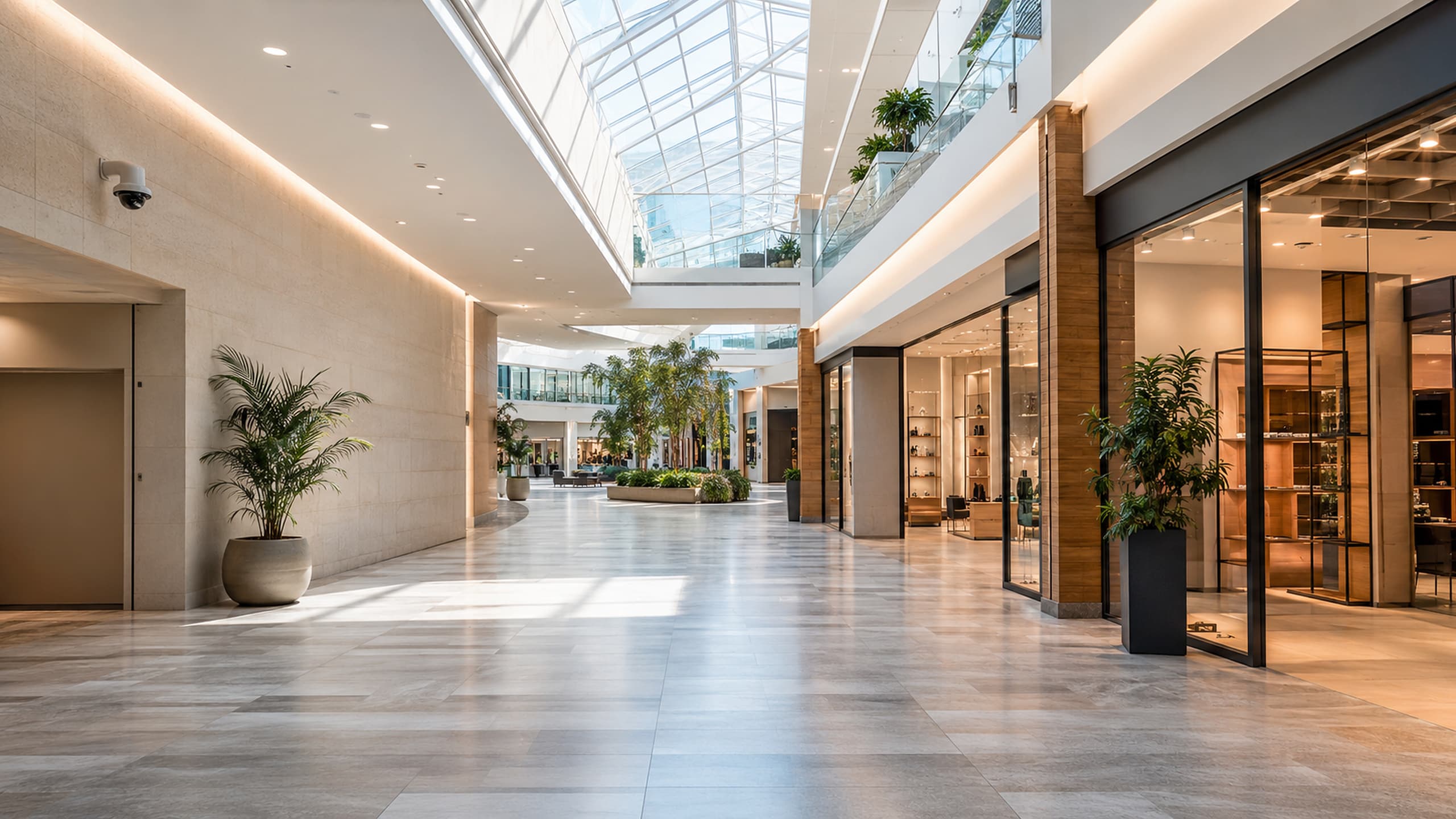
Malls stay active across entrances, common areas, food courts, service corridors, loading areas, and parking. The security role may shift between visible public presence, tenant support, patrols, and closing checks.

GuardEX reviews opening and closing times, tenant and vendor procedures, patrol zones, recurring concerns, reporting, and management contacts. Officers receive practical instructions for normal activity and for situations that need escalation.

Officers support common-area visibility, assigned access procedures, documentation, and response. Store operations, loss prevention decisions, customer service policies, and property management decisions remain with authorized staff.

Build a Mall Security Plan for Open Hours and Closing

Tell us where public activity is highest, how vendors and deliveries enter, which areas need patrols, and what changes at closing. GuardEX will turn that routine into officer duties and response steps.

services

Mall Security Services for New Jersey Shopping Centers

A shopping center may need fixed officers in public areas, patrols across parking and service zones, or technology support after hours. The right mix depends on the property's size, tenant activity, operating hours, and recurring concerns.

Unarmed Security GuardsUnarmed mall security officers can provide a visible common-area presence, support approved tenant and vendor procedures, patrol assigned zones, document activity, and escalate concerns through the written response plan.Learn MoreArmed Security GuardsArmed coverage is not the default for a mall, but it may be considered for documented threats, high-value assets, sensitive areas, or specific cash-handling exposure. The role and authority are agreed with the client before staffing.Learn MoreMobile Security PatrolsScheduled or randomized patrols can check parking, loading zones, service corridors, exterior doors, perimeter areas, and closing checkpoints. Each visit follows a documented route, service window, and reporting standard.Learn MoreRemote SecurityOff-site video monitoring can watch authorized entrances, parking approaches, loading access, service corridors, and exterior views. AI detection can help flag movement in assigned views, with verification and response handled under the site's written plan.Learn MoreAccess Control SystemsAccess control can organize credentials and entry procedures for tenants, vendors, contractors, delivery drivers, and restricted back-of-house areas. Public shoppers generally enter open areas without credentials; officers use client-approved procedures for restricted access.Learn MoreVideo Security SystemsOn-site CCTV can record authorized entrances, common areas, parking approaches, loading access, service corridors, and exterior views for local viewing and incident review. Camera placement, retention, optional AI detection, and review responsibilities are scoped to the property; Remote Security is separate.Learn More

Challenges and Solutions for Mall Security

Shopping malls combine multiple retailers, public common areas, food and entertainment spaces, service corridors, loading docks, and extensive parking. A single incident can cross tenant boundaries and affect large numbers of shoppers or employees.

Mall Security Challenges

Mall security challenges include coordinated theft, crowd and behavior problems, back-of-house access gaps, parking-area crime, public emergencies, and unsecured areas during tenant closing.

  • Shoplifting and coordinated retail theftIndividuals or groups may move between stores, common areas, and exits, making it harder for any one tenant to observe the full pattern of activity.
  • Crowd congestion and disruptive behaviorPeak shopping periods, youth groups, promotions, and entertainment areas can create fights, harassment, blocked walkways, or conduct that drives customers away.
  • Unauthorized service-corridor and loading accessCustomers, former employees, or unverified vendors may enter tenant corridors, loading docks, utility spaces, or other nonpublic areas through active service doors.
  • Parking-area theft and customer safetyLarge lots and garages can attract vehicle break-ins, theft, loitering, harassment, and suspicious activity beyond the immediate view of mall entrances.
  • Lost children, medical events, and public emergenciesA missing child, medical emergency, fire alarm, or other urgent event can require coordinated action across a large property with several tenants and exits.
  • After-hours tenant closing and unsecured doorsStores close at different times, leaving service doors, gates, employee exits, or low-traffic wings vulnerable while staff complete closing tasks.
How GuardEX Addresses Them

GuardEX addresses them through common-area visibility, de-escalation, service-corridor control, parking patrols, centralized incident response, and coordinated closing checks.

  • Common-area visibility and tenant responseSecurity maintains a visible presence, responds under mall and tenant procedures, records direction of travel, and coordinates notifications to management or law enforcement.
  • Visible patrols and de-escalationGuards circulate through assigned common areas, address developing problems early, maintain separation, and escalate serious threats or refusals to management and police.
  • Back-of-house access controlSecurity monitors designated service points, verifies vendors and contractors, redirects unauthorized persons, and reports doors or access practices that create recurring gaps.
  • Parking patrols and approved escortsVisible patrols cover assigned rows, levels, and pedestrian routes, while guards respond to assistance calls and provide approved escorts to vehicles.
  • Central incident response and emergency coordinationSecurity receives and relays verified information, responds to assigned areas, helps preserve responder access, and coordinates notifications through the mall's emergency plan.
  • Closing sweeps and door checksGuards check assigned common areas and access points, maintain visibility during tenant departures, and report unsecured doors or unauthorized after-hours activity.
The GuardEX Planning Model

How GuardEX Builds a Security Plan That Works

Every service plan starts with the property, the daily routine, the people who use the site, and the response expected when something changes.

01

Understand the site

Identify access points, active hours, recurring concerns, patrol priorities, and the contacts officers may need.

02

Prepare the Officer

Brief officers on the post orders, access procedures, patrol route, communication standards, and reporting requirements.

03

Document the work

Use daily activity reports, incident reports, and guard-tour records to document the shift and identify follow-up.

04

Supervise and Support

Provide field supervision, prepare trained relief officers, and adjust the service when the property's needs change.

The result is a plan that officers can follow, supervisors can support, and management can evaluate through real reports and patrol records.That's the GuardEX difference.

GuardEX In Action

One Security Presence Across Common Areas and Tenants

Client Profile

A client managing a mall or shopping center.

Security Challenge

A mall is not one store. Property management is responsible for the shared guest and service areas that connect many tenants. Those spaces stay active through long operating days, events, and seasonal surges.

GuardEX Implementation Model

Common areas under property management form the center of the mall security program. GuardEX identifies the main guest and service zones, then creates clear tenant and property contacts for exceptions. The result is one connected common-area program rather than separate reactions by each store.

Key Actions

  • Position guest-facing officers at the entrances and common gathering areas with the highest traffic.
  • Patrol concourses, restrooms, service corridors, exterior doors, event areas, and parking approaches.
  • Use property-approved procedures for tenant vendors, contractors, deliveries, and after-hours service access.
  • Coordinate closing and incident reporting across property management and the affected tenant contacts.

Client Goal / Benefit

Create a shopping center where guests feel comfortable and tenants know security is close by.

Popular regions

Mall Security Coverage Across New Jersey

GuardEX Security Services provides mall security throughout New Jersey for shopping malls, lifestyle centers, outlet properties, and large retail complexes. Coverage may include common-area officers, parking or closing patrols, Remote Security, access control, or CCTV.

Questions answered

FAQs

What do mall security officers typically do?
Duties may include maintaining a visible common-area presence, assisting with approved property procedures, patrolling parking and service areas, documenting activity, and escalating concerns. Officers do not make store, loss prevention, customer service, or property management decisions.
Are mall security officers the same as a store's loss-prevention team?
Not necessarily. Mall security generally focuses on common areas, property procedures, parking, service zones, reporting, and escalation. Individual stores remain responsible for their own loss-prevention policies unless a specific service is separately contracted.
Can mall security be scheduled around peak shopping periods and closing?
Yes. Coverage can be concentrated around evenings, weekends, holidays, events, tenant closings, overnight periods, or other defined windows, subject to the agreed duties and staffing availability.
Can mall security combine officers with Remote Security and CCTV?
Yes. Officers can carry out assigned on-site camera and access procedures, while Remote Security monitors authorized views off site. Alert, notification, privacy, and response responsibilities are documented before service begins.
View All FAQs

Resources & news

Recent Security Articles

SMALL BUSINESS SECURITY

Security Guard Services for Small Businesses in Englewood Cliffs, NJ

Practical security considerations for small businesses in Englewood Cliffs, including access, visibility, reporting, and after-hours coverage.

Read More
SECURITY TIPS

5 Things You Can Do to Secure Your Business's Perimeter

Five practical ways to strengthen gates, fencing, lighting, access points, and exterior visibility around a commercial property.

Read More
Get CoverageRequest Call Back