




Toggle menu
Get CoverageRequest Call Back

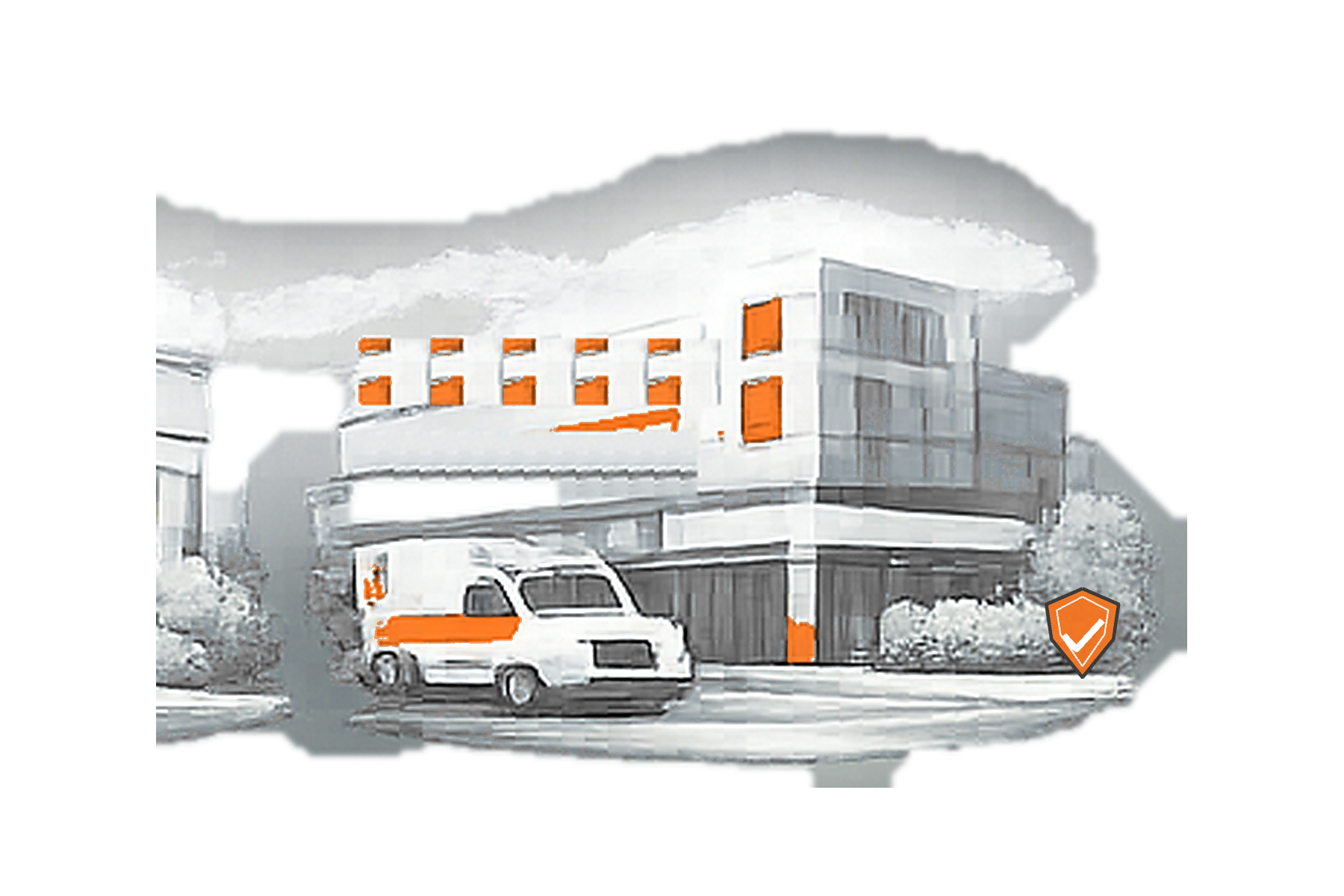
Hospital Security Services in New Jersey

Hospitals operate around the clock, with emergency arrivals, visitors, staff, vendors, and sensitive departments moving at the same time. GuardEX Security Services defines the officer's post, patrols, reporting, and escalation around hospital procedures.

GuardEX at a Glance

10+ Years

Providing professional security solutionsacross New Jersey for over a decade.

TOP RATED

Five-star feedback on review sitesincluding Google and Yelp.

Locally Embedded

Our ownership and management live here.We protect the communities we call home.

overview

Hospital Security for Continuous, High-Stress Operations

A hospital combines public entrances, an emergency department, inpatient and treatment areas, service access, parking, and continuous staff movement. One set of generic instructions cannot cover every post or shift.

GuardEX works with hospital leadership to define the role at each assigned entrance or department, the patrol and communication routine, the reporting standard, and the contacts for routine concerns, urgent events, and emergencies.

Officers can support hospital access procedures, visibility, calm communication and de-escalation within training and policy, documentation, and escalation. Clinical care, medical decisions, patient-restraint decisions, and law-enforcement authority remain with properly authorized personnel.

Plan the Hospital Post Before the First Shift

Walk through the assigned entrance, department, patrol areas, visitor procedures, high-stress situations, and response contacts with GuardEX. The resulting post orders give officers, relief staff, and supervisors one consistent plan.

services

Hospital Security Services for 24-Hour Operations

Hospital coverage may combine entrance officers, department-support posts, interior and exterior patrols, Remote Security, access control, and CCTV. Each layer must follow hospital policy and preserve clinical and privacy boundaries.

Unarmed Security GuardsUnarmed officers can staff main or emergency entrances, support hospital visitor procedures, communicate calmly, use de-escalation techniques within training and policy, patrol assigned areas, document activity, and escalate concerns.Learn MoreArmed Security GuardsArmed coverage may be considered only when lawful and supported by the hospital's documented risk assessment and approved security plan. The role, authority, restrictions, post orders, and escalation procedures are defined before staffing.Learn MoreMobile Security PatrolsScheduled or randomized patrols can cover parking, exterior doors, service areas, satellite buildings, and other approved hospital-campus checkpoints. Each route has named times, safety boundaries, and reporting requirements.Learn MoreRemote SecurityOff-site video monitoring can watch authorized main and emergency entrances, parking approaches, service access, exterior doors, and permitted common-area views. Configured AI detection can support alerting, but every event follows a written response procedure.Learn MoreAccess Control SystemsAccess control can organize credentials and entry procedures for staff, vendors, contractors, and restricted hospital areas. Public entrances and controlled departments follow different hospital-approved procedures, with designated staff available when authorization is unclear.Learn MoreVideo Security SystemsOn-site CCTV can record authorized entrances, parking, service access, exterior doors, and permitted common areas for local viewing and incident review. Privacy, retention, and optional AI detection are scoped to hospital policy; Remote Security remains separate.Learn More

Challenges and Solutions for Hospital Security

Hospitals remain open around the clock, with public entrances, emergency care, restricted departments, parking areas, and emotionally charged situations operating at the same time. Gaps in access or response can affect patients, visitors, staff, and property.

Hospital Security Challenges

Hospital risks develop where open public access intersects with clinical areas, vulnerable patients, crowded entrances, and continuous operations.

  • Uncontrolled visitor accessMultiple public entrances and busy waiting areas can allow visitors to bypass check-in, enter the wrong department, or move beyond approved public spaces.
  • Aggressive or distressed individualsLong waits, difficult news, intoxication, family disputes, or behavioral crises can escalate into threats, confrontations, or disruption around patients and staff.
  • Unauthorized entry into restricted departmentsTreatment areas, staff corridors, pharmacies, nurseries, and service spaces can be exposed when someone tailgates through a controlled door or uses an invalid credential.
  • Congested emergency entrancesAmbulances, walk-in patients, family arrivals, ride services, and parked vehicles can crowd emergency approaches and interfere with safe access.
  • Parking and exterior safety risksGarages, surface lots, bus stops, and remote walkways can face theft, harassment, loitering, and employee safety concerns, particularly overnight.
  • Patient elopement or wanderingAn at-risk patient may leave an assigned area or exit the campus during a busy transition before hospital personnel realize the person is missing.
How GuardEX Addresses Them

GuardEX matches each exposure with hospital-directed visitor control, visible patrols, de-escalation support, restricted-area protection, and rapid escalation.

  • Visitor screening and directionSecurity guards staff designated entrances, confirm destinations and visiting requirements, contact hospital personnel when approval is unclear, and direct arrivals to the proper area.
  • De-escalation and rapid responseVisible officers respond promptly, create safe separation, use calm communication, and summon hospital leadership, clinical responders, or law enforcement under hospital policy.
  • Restricted-area access controlGuards verify badges or authorization at assigned access points, address tailgating, and contact the responsible department before allowing an unclear entry.
  • Emergency-area traffic supportSecurity directs visitors and vehicles to approved locations, keeps emergency approaches and fire lanes clear, and coordinates exceptions with hospital personnel.
  • Parking and exterior patrolsScheduled and irregular patrols increase visibility, check common trouble areas, assist with approved escorts, document suspicious activity, and escalate incidents quickly.
  • Exit monitoring and hospital-led responseGuards monitor assigned exits, relay the hospital-provided description, check approved public areas, and support clinical staff or law enforcement under the hospital's response protocol.

About GuardEX

See How a Clear Security Plan Comes Together

See how GuardEX moves from the property walkthrough to written post orders, officer preparation, reporting, field supervision, and ongoing service review.

Hospital Security

The GuardEX Planning Model

How GuardEX Builds a Security Plan That Works

Every service plan starts with the property, the daily routine, the people who use the site, and the response expected when something changes.

01

Understand the site

Identify access points, active hours, recurring concerns, patrol priorities, and the contacts officers may need.

02

Prepare the Officer

Brief officers on the post orders, access procedures, patrol route, communication standards, and reporting requirements.

03

Document the work

Use daily activity reports, incident reports, and guard-tour records to document the shift and identify follow-up.

04

Supervise and Support

Provide field supervision, prepare trained relief officers, and adjust the service when the property's needs change.

The result is a plan that officers can follow, supervisors can support, and management can evaluate through actual reports and patrol records.That's the GuardEX difference.

GuardEX In Action

Coordinating Security Across Entrances and Shifts

Client Profile

A client operating a hospital.

Security Challenge

Hospitals do not have one daily traffic pattern. The main entrance, emergency department, patient units, vendors, staff changes, and overnight visitors create different security needs at different hours.

GuardEX Implementation Model

A hospital plan changes with the building throughout the day. GuardEX sets separate expectations for public and after-hours access, waiting areas, parking, and patrol zones. Open incidents and special instructions carry into the next shift so staff know where security is positioned and how to request support.

Key Actions

  • Assign entrance responsibilities around the hospital’s public, emergency, staff, and after-hours access procedures.
  • Use calm communication and the hospital’s contact path when a patient, visitor, or family interaction escalates.
  • Patrol agreed waiting, corridor, exterior-door, parking, and other nonclinical areas.
  • Carry open incidents, restricted-access notices, and special instructions into the next shift handoff.

Client Goal / Benefit

Support a safer hospital environment through continuous public access, emergencies, and high-stress interactions.

Popular regions

Hospital Security Coverage Across New Jersey

GuardEX Security Services provides hospital security across New Jersey for main and emergency entrances, department-support posts, parking, service access, and approved patrol zones. Services may include on-site officers, Remote Security, access control, or on-site CCTV.

Questions answered

FAQs

What do hospital security officers typically do?
Depending on the post, officers may support visitor and access procedures, staff main or emergency entrances, patrol assigned department and exterior areas, communicate calmly during sensitive situations, document activity, and use the hospital's escalation plan.
Can hospital security be staffed around the clock or for selected shifts?
Yes. Coverage can be scheduled for 24-hour posts, evenings, overnight periods, emergency-department support, visitor hours, temporary concerns, or other defined needs. Duties, relief, and escalation contacts are confirmed in advance and remain subject to staffing availability.
Can hospital security use Remote Security and on-site CCTV?
Yes, for hospital-approved views. Remote Security provides off-site monitoring, while on-site CCTV records and displays video at the property. Privacy, retention, alert, verification, notification, and response procedures must be defined under hospital policy.
Do hospital security officers provide clinical care or make patient-restraint decisions?
No. Standard security duties do not include clinical care, medical decisions, or patient-restraint decisions. Any physical intervention must be separately authorized, lawfully defined, supported by appropriate training, and governed by hospital policy and the specific assignment.
View All FAQs

Resources & news

Recent Security Articles

SMALL BUSINESS SECURITY

Security Guard Services for Small Businesses in Englewood Cliffs, NJ

Practical security considerations for small businesses in Englewood Cliffs, including access, visibility, reporting, and after-hours coverage.

Read More
SECURITY TIPS

5 Things You Can Do to Secure Your Business's Perimeter

Five practical ways to strengthen gates, fencing, lighting, access points, and exterior visibility around a commercial property.

Read More
Get CoverageRequest Call Back