






Toggle menu
Get CoverageRequest Call Back

Grocery Store Security Services in New Jersey

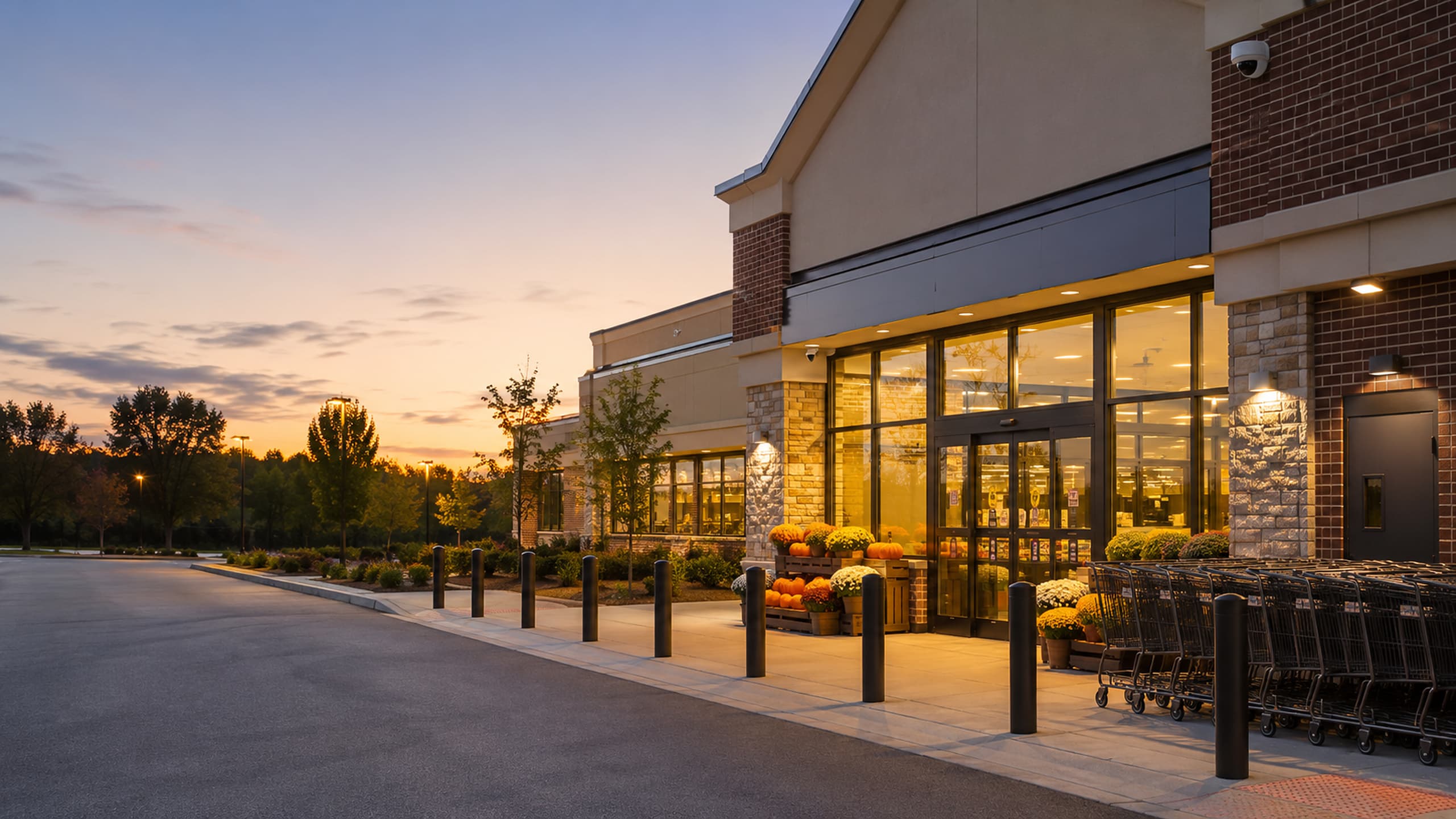
Grocery stores stay active from early deliveries through the final customer departure. GuardEX Security Services plans the visible officer post, parking and receiving checks, incident reporting, and manager notification around the store's busiest hours.

GuardEX at a Glance

10+ Years

Providing professional security solutionsacross New Jersey for over a decade.

TOP RATED

Five-star feedback on review sitesincluding Google and Yelp.

Locally Embedded

Our ownership and management live here.We protect the communities we call home.

overview

Grocery Store Security That Fits the Daily Rush

A grocery store has steady public traffic, frequent deliveries, employee movement, and a parking lot that can remain active from opening through closing. The officer's role should support that routine without interfering with store operations.

GuardEX determines where a visible presence is most useful, when parking or receiving checks should occur, what incidents require a manager call, and what information belongs in the shift report.

Officers can observe, deter, document, support approved access procedures, and notify store management or emergency services as directed. Customer service, inventory, loss-prevention policy, and employee decisions remain with authorized store personnel.

Build a Grocery Store Security Plan That Staff Can Use

Tell us when the store is busiest, where a visible officer is needed, how deliveries and closing are handled, and which concerns require a manager call. GuardEX will turn those details into clear post orders and reports.

services

Security Services for Grocery Stores

Most grocery stores start with a visible unarmed officer during selected hours. Parking checks, receiving access, after-hours patrols, Remote Security, access control, or CCTV are added only when they address a defined need.

Unarmed Security GuardsUnarmed officers can maintain a visible presence near entrances or checkout areas, follow store procedures, conduct approved parking or service-door checks, document incidents, and notify management or emergency services as directed.Learn MoreArmed Security GuardsArmed coverage is not a default grocery-store service. It may be considered only when a documented risk assessment, client policy, and legal requirements support a clearly defined armed post.Learn MoreMobile Security PatrolsScheduled or randomized patrols can check parking, entrances, service doors, receiving access, and closing conditions when a full-time post is not needed. Each visit follows named checkpoints and a written report standard.Learn MoreRemote SecurityOff-site video monitoring can watch authorized entrances, parking approaches, receiving access, and service doors. Configured AI detection can support alerting, but each alert follows a documented verification, notification, and response procedure.Learn MoreAccess Control SystemsAccess control can organize credentials and entry procedures for employees, vendors, delivery drivers, and restricted back-of-house areas. Officers follow the store's approved lists and contact the designated store representative when an approval is unclear rather than making the decision themselves.Learn MoreVideo Security SystemsOn-site CCTV can record entrances, checkout approaches, parking, receiving access, and service doors for local viewing and incident review. Camera placement, retention, and optional AI detection are scoped to the store; Remote Security remains separate.Learn More

Challenges and Solutions for Grocery Store Security

Grocery stores operate with long hours, steady public traffic, frequent deliveries, busy checkout areas, and parking lots that remain active from opening through closing. Theft, disruptive behavior, unauthorized back-door access, and exterior incidents can affect customers and employees without warning.

Grocery Store Security Challenges

Common grocery-store challenges include retail theft, threatening customers, parking-lot incidents, unauthorized receiving access, entrance loitering, and vulnerable opening or closing periods.

  • Shoplifting and organized retail theftIndividuals or groups may conceal merchandise, coordinate distractions, push carts through exits, or repeatedly target high-value departments and self-checkout areas.
  • Threatening or disruptive customersArguments over purchases, suspected theft, intoxication, harassment, or refusal to leave can quickly affect employees, shoppers, and normal store operations.
  • Parking-lot theft and customer disputesVehicle break-ins, purse theft, loitering, panhandling, collisions, and confrontations can occur beyond the visibility of store employees.
  • Unauthorized receiving and back-door accessDrivers, vendors, former employees, or unknown individuals may enter through receiving doors or request access outside scheduled delivery windows.
  • Loitering and solicitation at entrancesGroups, solicitors, or individuals who remain near doors and cart areas can block access, concern customers, or create recurring disturbances.
  • Vulnerable opening and closing periodsEmployees may arrive or leave while the property is quiet, exterior doors are being unlocked, deposits are prepared, or final customers remain in the store.
How GuardEX Addresses Them

GuardEX addresses them with visible deterrence, policy-based incident response, exterior patrols, delivery verification, entrance coverage, and scheduled opening and closing security checks.

  • Visible deterrence and store-policy responseGuards maintain an assigned visible presence, observe and report suspicious activity, notify store management, and follow the retailer's approved response without independently pursuing suspects.
  • De-escalation and emergency escalationSecurity responds calmly, helps create space, follows management direction, preserves responder access, and contacts law enforcement or emergency services when the situation requires it.
  • Exterior patrols and incident reportingRegular rounds cover assigned parking areas, entrances, cart zones, and pedestrian routes, with suspicious activity or unsafe conditions documented and escalated.
  • Vendor and delivery verificationSecurity confirms company, driver identity, delivery purpose, appointment, and store contact before directing an approved arrival to the correct receiving point.
  • Visible entrance coverage and policy enforcementGuards keep assigned entrances observable, address conduct under store policy, request management support, and escalate refusal or threatening behavior appropriately.
  • Opening and closing security checksScheduled coverage supports assigned exterior and door checks, observes employee arrival or departure areas, and reports suspicious activity without handling store funds.
The GuardEX Planning Model

How GuardEX Builds a Security Plan That Works

Every service plan starts with the property, the daily routine, the people who use the site, and the response expected when something changes.

01

Understand the site

Identify access points, active hours, recurring concerns, patrol priorities, and the contacts officers may need.

02

Prepare the Officer

Brief officers on the post orders, access procedures, patrol route, communication standards, and reporting requirements.

03

Document the work

Use daily activity reports, incident reports, and guard-tour records to document the shift and identify follow-up.

04

Supervise and Support

Provide field supervision, prepare trained relief officers, and adjust the service when the property's needs change.

The result is a plan that officers can follow, supervisors can support, and management can evaluate through actual reports and patrol records.That's the GuardEX difference.

GuardEX In Action

Coverage Around the Front End and Peak Shopping Periods

Client Profile

A client operating a grocery store.

Security Challenge

Grocery stores combine open access with constant movement. Morning stocking, vendor deliveries, lunchtime traffic, evening rushes, self-checkout, and late closing can place different pressure on the front end and store team.

GuardEX Implementation Model

Customer traffic patterns determine where grocery-store coverage is most useful. GuardEX identifies the busiest entrance and checkout periods, scheduled receiving windows, repeat concern areas, and the closing routine, then moves the officer’s attention as customer volume changes. Employees have one clear way to request support without disrupting normal shopping.

Key Actions

  • Keep the officer visible near the entrance or front end during the heaviest customer periods.
  • Vary floor rounds around self-checkout, high-traffic aisles, restrooms, receiving, and client-identified concerns.
  • Coordinate receiving and vendor activity through the store’s approved schedule and management contact.
  • Check assigned parking, cart, exterior-door, and closing conditions after peak traffic subsides.

Client Goal / Benefit

Keep a busy grocery store welcoming through the daily rush.

Popular regions

Grocery Store Security Coverage Across New Jersey

GuardEX Security Services provides grocery store security across New Jersey for supermarkets, food markets, and other high-traffic retail food properties. Coverage may include visible officers, parking or closing patrols, Remote Security, access control, or on-site CCTV.

Questions answered

FAQs

What do grocery store security officers typically do?
Officers may maintain a visible presence near entrances or checkout areas, follow the store's procedures, conduct approved parking or service-door checks, document incidents, and notify management or emergency services as directed.
Can grocery store security be scheduled only during busy hours or closing?
Yes. Coverage can be scheduled around afternoon or evening peaks, weekends, deliveries, closing, temporary concerns, or other defined periods. The post, duties, and report requirements are confirmed before service begins and remain subject to staffing availability.
How do officers respond to suspected theft or disruptive behavior?
Officers follow the store's written policy and the authority defined for the post. Standard duties may include observing, deterring, documenting, notifying management, and contacting law enforcement or emergency services when directed; they do not make store-policy decisions on their own.
Can grocery store security use Remote Security and on-site CCTV?
Yes. Remote Security provides off-site monitoring of authorized camera views, while on-site CCTV records and displays video at the store. Both services need clear alert, verification, notification, retention, and response procedures.
View All FAQs

Resources & news

Recent Security Articles

SMALL BUSINESS SECURITY

Security Guard Services for Small Businesses in Englewood Cliffs, NJ

Practical security considerations for small businesses in Englewood Cliffs, including access, visibility, reporting, and after-hours coverage.

Read More
SECURITY TIPS

5 Things You Can Do to Secure Your Business's Perimeter

Five practical ways to strengthen gates, fencing, lighting, access points, and exterior visibility around a commercial property.

Read More
Get CoverageRequest Call Back